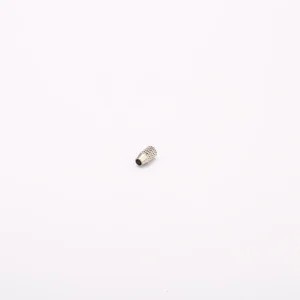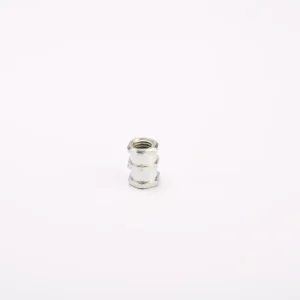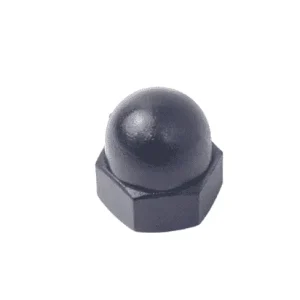
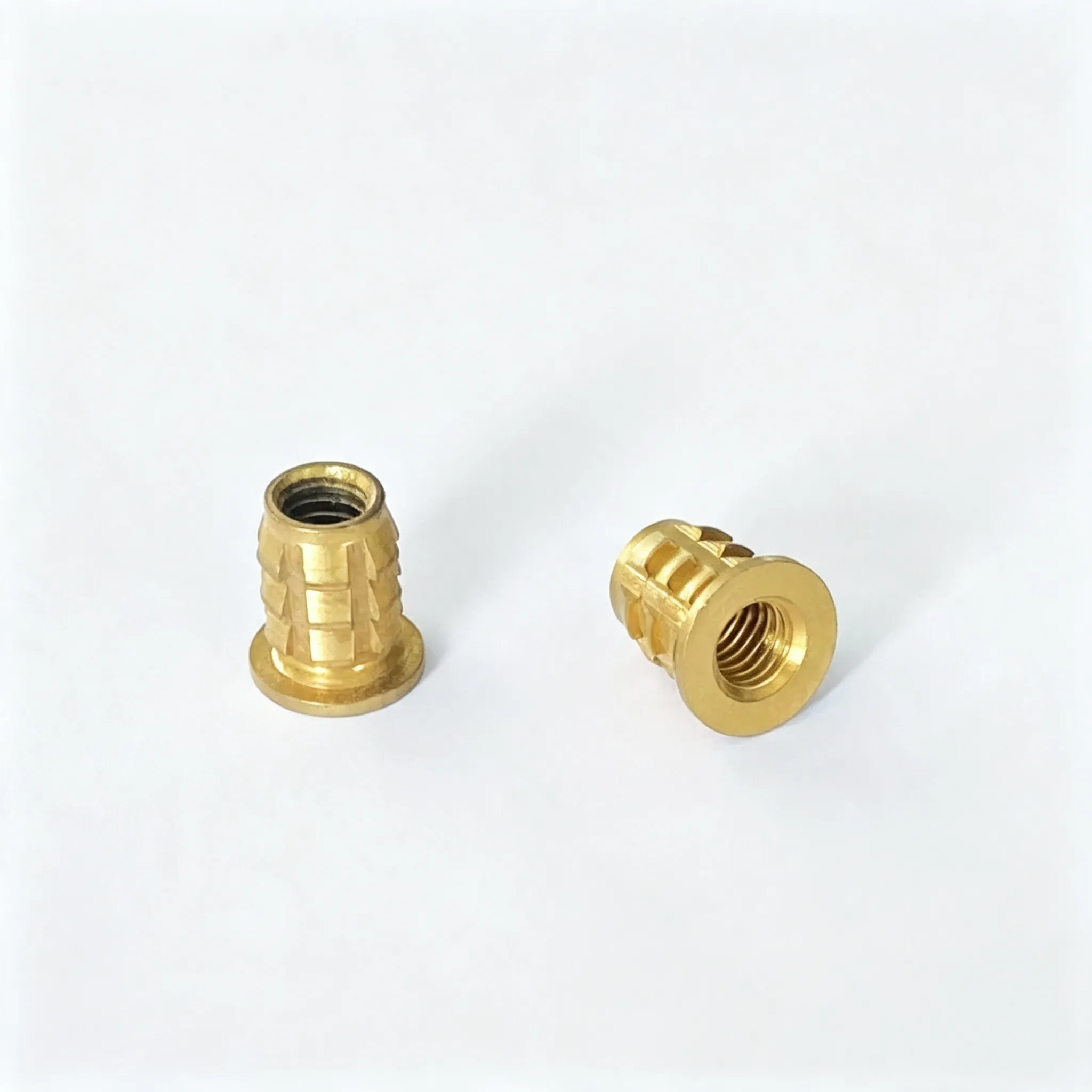
Internal and External Thread Nuts
Alpha Industrial Works supplies internal and external thread nuts for mechanical assemblies requiring two threaded connections within a single compact component.
Also known as dual-threaded nuts, internally and externally threaded inserts, male-to-female threaded adapters, threaded reducing nuts or dual-thread fasteners, these components feature an internal threaded bore and an externally threaded body designed to connect compatible threaded parts.
Internal and external thread nuts can be manufactured or supplied according to customer engineering drawings, physical samples and dimensional requirements.
Depending on the application, these components may function as threaded adapters, connecting inserts, adjustment components, spacing elements or specialized fastening solutions within mechanical and industrial assemblies.
Typical Applications
Internal and external thread nuts may be considered for:
-
Threaded adapter assemblies
-
Mechanical fastening systems
-
Thread size conversion applications
-
Industrial machinery components
-
Threaded adjustment mechanisms
-
Equipment mounting systems
-
Precision mechanical assemblies
-
Instrumentation and control equipment
-
Electrical equipment housings
-
Automotive assemblies
-
Agricultural machinery
-
Mining equipment
-
Fixtures and jigs
-
OEM manufacturing
-
Industrial maintenance
-
Replacement threaded components
-
Custom engineering assemblies
Suitability depends on the internal and external thread specifications, material grade, fastening loads, mating components and installation requirements.
Dual-Thread Construction
Internal and external thread nuts incorporate two separate threaded interfaces within a single component.
The internal bore provides a female threaded connection, while the external body provides a male threaded connection for installation into another compatible threaded component.
Depending on the design, this configuration may allow:
-
Connection between different thread sizes
-
Adaptation between threaded components
-
Threaded spacing and positioning
-
Mechanical component retention
-
Adjustable mounting arrangements
-
Connection of threaded rods or studs
-
Integration into custom mechanical assemblies
Both threaded interfaces should be specified independently to ensure compatibility with the intended mating components.
Internal Thread Requirements
The internal thread provides a connection for a mating screw, bolt, threaded rod or stud.
Correct thread engagement is essential for reliable fastening and assembly performance.
For drawing review, specify:
-
Internal thread diameter
-
Thread pitch
-
Thread standard
-
Right-hand or left-hand thread
-
Usable internal thread depth
-
Thread tolerance
-
Through-bore or blind-bore configuration
-
Mating screw or stud dimensions
-
Required thread engagement
-
Internal clearance requirements
The internal thread should provide sufficient engagement without interference from the external threaded section or other component features.
External Thread Requirements
The external thread provides the second fastening interface, allowing the component to engage with a compatible internally threaded housing, fitting or mechanical part.
The external thread may be used for fixed installation, adjustable positioning or threaded adaptation.
Important specifications include:
-
External thread diameter
-
External thread pitch
-
Thread standard
-
Thread direction
-
Usable external thread length
-
Thread tolerance
-
Thread entry chamfer
-
Thread runout
-
Required engagement length
-
Mating component dimensions
The external thread should be reviewed alongside the internal thread to ensure sufficient remaining wall thickness and structural suitability.
Thread Compatibility and Alignment
Correct compatibility between the internal and external threaded interfaces is important for reliable assembly.
Both threads should be evaluated as part of the complete fastening arrangement rather than as independent features.
Important considerations include:
-
Internal and external thread sizes
-
Thread pitch compatibility
-
Thread direction
-
Thread engagement length
-
Concentricity
-
Available wall thickness
-
Mating component alignment
-
Thread clearance
-
Assembly sequence
-
Required seating position
Where different thread directions are specified, their effect on installation, tightening and adjustment should be reviewed.
The component should engage with its mating parts without binding, cross-threading or unintended loosening.
Flange and Shoulder Design
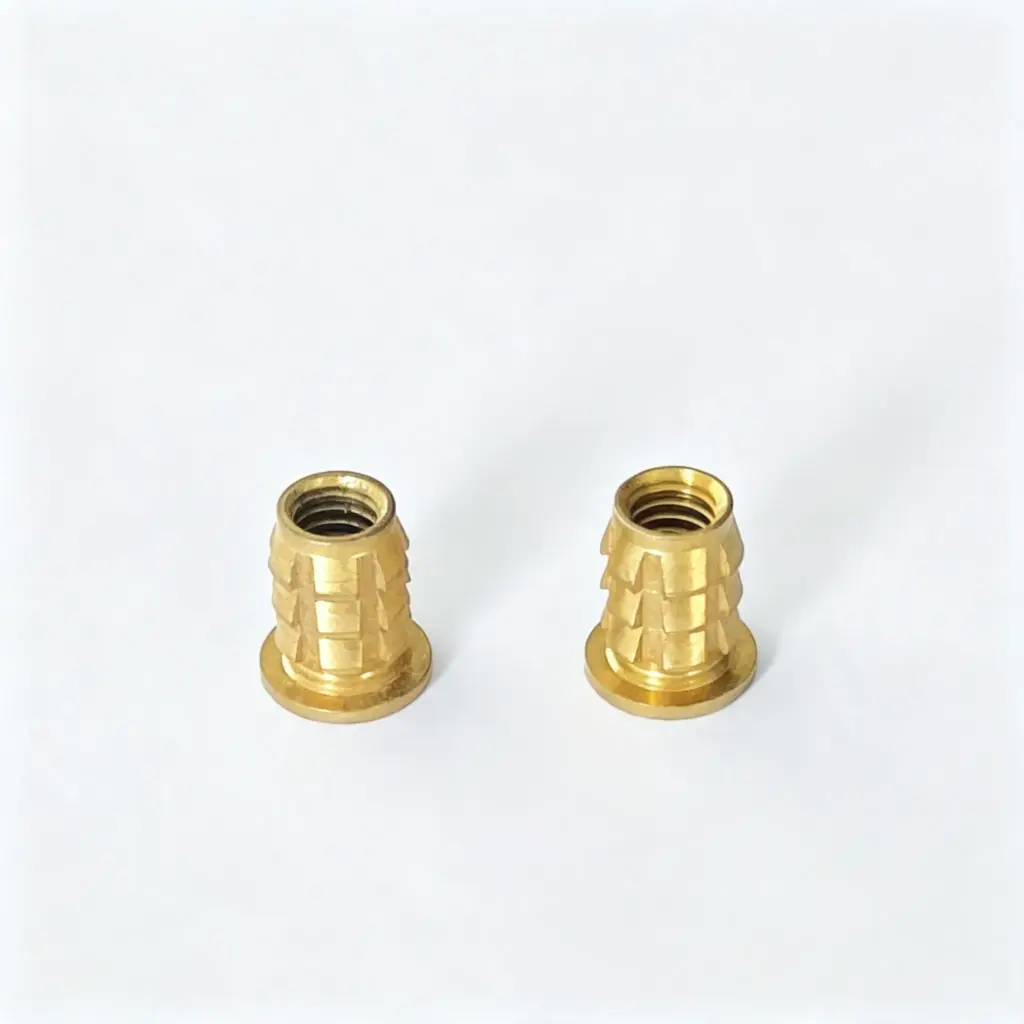
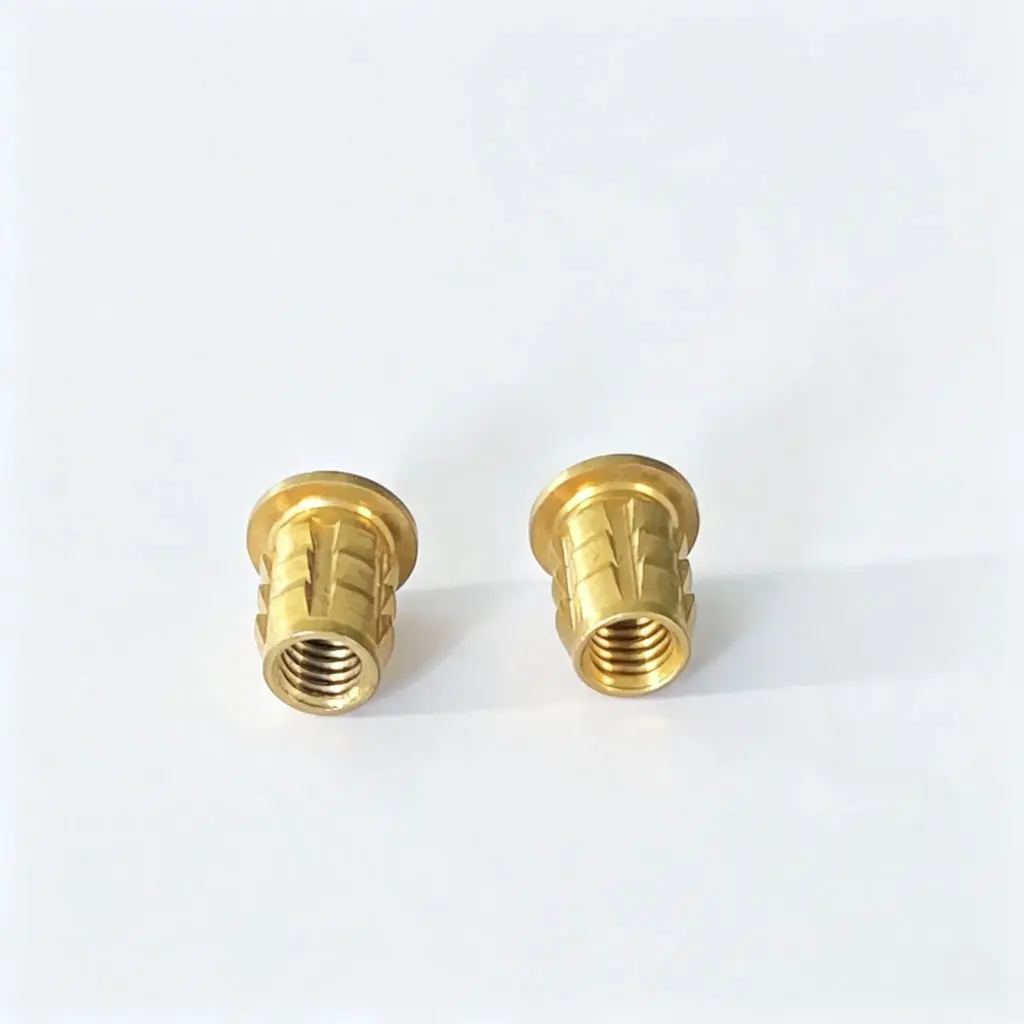
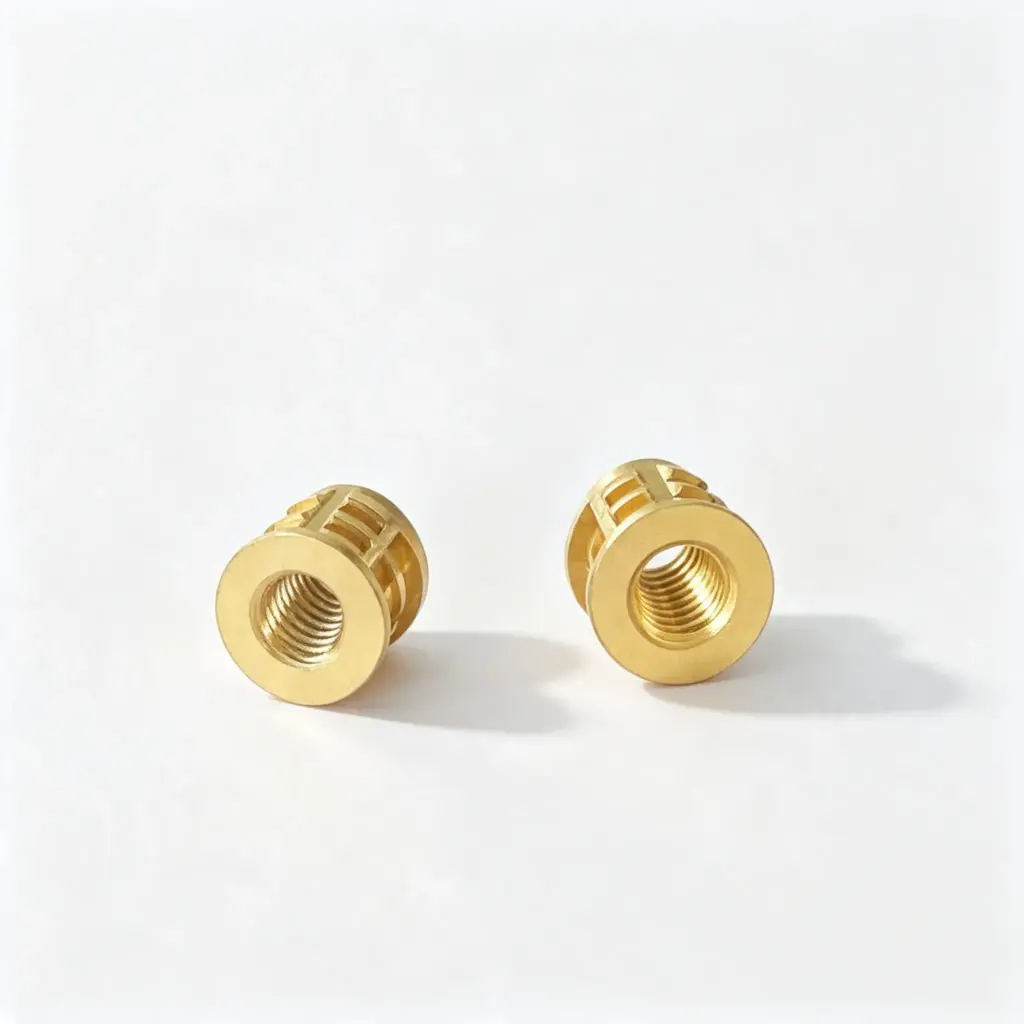
Internal and external thread nuts may incorporate a flange or shoulder to provide a controlled seating surface or installation stop.
Depending on the assembly, these features may help establish the installed position or provide a bearing surface against the mating component.
Important dimensions include:
-
Flange diameter
-
Flange thickness
-
Shoulder diameter
-
Shoulder position
-
Seating face flatness
-
Overall body length
-
Thread-to-flange clearance
-
Transition radii
-
Edge chamfers
The flange should seat correctly without interfering with either threaded connection.
Knurled Body and Gripping Features
Some internal and external thread nuts incorporate a knurled or textured section to assist with manual handling, positioning or engagement within a surrounding material.
Depending on the design, the external gripping surface may include:
-
Straight knurling
-
Diamond knurling
-
Diagonal knurling
-
Ribbed sections
-
Smooth cylindrical gripping areas
-
Custom textured profiles
Knurled sections should be positioned so they do not interfere with the external thread or surrounding components.
Where the knurl is intended to engage with a moulded or inserted component, its dimensions and installation method should be specified.
Threaded Adapter and Conversion Applications
Internal and external thread nuts can provide a compact solution where two components require different threaded interfaces.
Depending on the specifications, these components may be used to connect:
-
Different thread diameters
-
Threaded rods and mounting components
-
Machinery fittings
-
Instrumentation components
-
Equipment housings
-
Custom mechanical connectors
-
Threaded mounting points
-
Replacement fastening assemblies
The internal and external threads may use different sizes or pitches where required by the design.
Compatibility must be confirmed before manufacture or installation.
Assembly Sequence and Installation
The installation sequence is an important consideration when both threaded interfaces are used within the same assembly.
Depending on the design, the external thread may be installed first, followed by the internal mating fastener.
Other configurations may require a different assembly procedure.
Important considerations include:
-
Order of thread engagement
-
Thread direction
-
Installation tool access
-
Available gripping surfaces
-
Required seating position
-
Prevention of cross-threading
-
Clearance between mating components
-
Protection of external threads
-
Prevention of unintended loosening
-
Appropriate tightening requirements
Where both threaded connections are engaged simultaneously, the assembly should be reviewed to prevent binding or interference before the intended seating surfaces meet.
Material and Surface Finish
Internal and external thread nuts can be specified in materials and finishes selected according to the intended mechanical application and operating environment.
Material selection should consider thread strength, wear resistance, corrosion exposure, machinability and compatibility with mating components.
Depending on customer specifications, requirements may include:
-
Brass
-
Stainless steel
-
Carbon steel
-
Alloy steel
-
Aluminium
-
Customer-specified material grades
-
Natural machined finishes
-
Zinc plating
-
Nickel plating
-
Protective coatings
-
Decorative surface finishes
-
Custom surface treatments
A brass-toned appearance alone does not establish the material grade or coating specification.
Where material certificates, coating thickness or specific surface properties are required, these details should be included in the purchase specification.
Inspection and Quality Requirements
Inspection requirements should be established according to the engineering drawing, intended application and agreed acceptance criteria.
Checks may include:
-
Internal thread diameter and pitch
-
External thread diameter and pitch
-
Internal usable thread depth
-
External usable thread length
-
Thread direction
-
Thread tolerance
-
Thread concentricity
-
Overall body length
-
Flange dimensions
-
Knurl pattern and coverage
-
Seating face flatness
-
Thread entry condition
-
Burr removal
-
Surface finish
-
Coating condition
-
Material specification
-
Fit with both mating components
Suitable thread gauges or approved mating components may be used to verify thread compatibility.
Trial assembly should confirm correct engagement, alignment, seating and installation sequence.
Custom Manufacturing
Alpha Industrial Works can assist with internal and external thread nuts produced according to:
-
Engineering drawings
-
Physical samples
-
Dimensional specifications
-
OEM requirements
-
Replacement-part requirements
-
Custom mechanical assembly specifications
Important information for quotation includes:
-
Internal thread diameter and pitch
-
External thread diameter and pitch
-
Internal and external thread standards
-
Thread directions
-
Usable internal thread depth
-
Usable external thread length
-
Thread tolerances
-
Overall body dimensions
-
Flange or shoulder dimensions
-
Knurl pattern and coverage
-
Required seating surfaces
-
Material grade
-
Quantity
-
Dimensional tolerances
-
Surface finish
-
Coating or plating requirements
-
Mating component details
-
Assembly sequence
-
Fastening load requirements
-
Inspection requirements
-
Material certification requirements
-
Packaging specifications
Providing complete technical information helps establish thread compatibility, manufacturing feasibility, quotation accuracy and the required acceptance criteria.
Key Features
-
Combined internal and external threaded construction
-
Two threaded interfaces within one component
-
Suitable for threaded adapter applications
-
Custom internal and external thread sizes
-
Different thread pitches available to specification
-
Right-hand or left-hand thread configurations
-
Compact threaded connecting design
-
Optional flanged and shouldered profiles
-
Knurled body configurations to specification
-
Custom body lengths and diameters
-
Material and finish options subject to application review
-
Suitable for precision mechanical assemblies
-
Custom manufacturing to drawing or sample
-
Suitable for OEM and replacement-part enquiries
-
Suitable for prototype and production quantity enquiries
Industries
Potential applications across:
-
Mining
-
Manufacturing
-
Mechanical engineering
-
Precision engineering
-
Automotive component manufacturing
-
Electrical equipment
-
Instrumentation
-
Agricultural machinery
-
Industrial machinery
-
Construction equipment
-
Equipment fabrication
-
OEM manufacturing
-
Maintenance and repair
-
General engineering
Request a Quote
Find the right dual-threaded fastening solution for your mechanical assembly.
Send Alpha Industrial Works your engineering drawing or physical sample, required quantity, internal and external thread specifications, body dimensions, flange or knurl requirements, material grade and surface finish specifications for technical review and quotation.
Whether you require threaded adapters for industrial machinery, custom dual-threaded inserts for OEM production or specialized connecting components for mechanical assemblies, Alpha Industrial Works can assist with sourcing or manufacturing solutions based on your specifications.
Product Category
Engineering Components