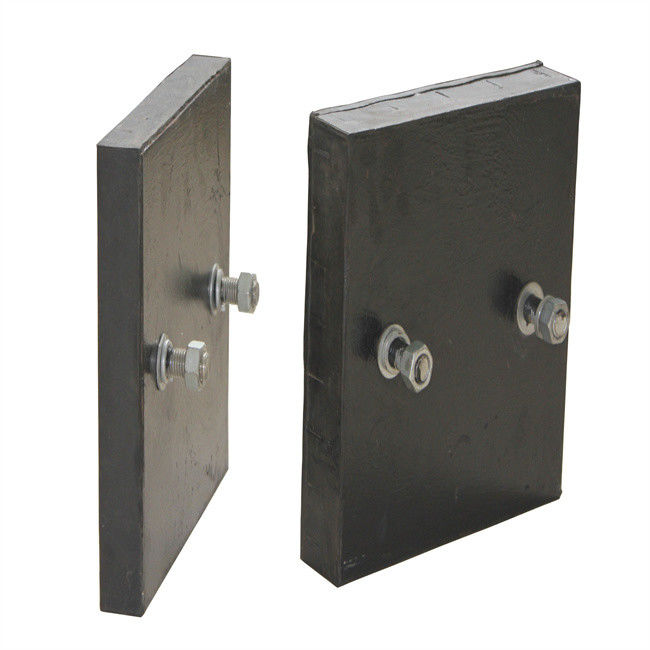
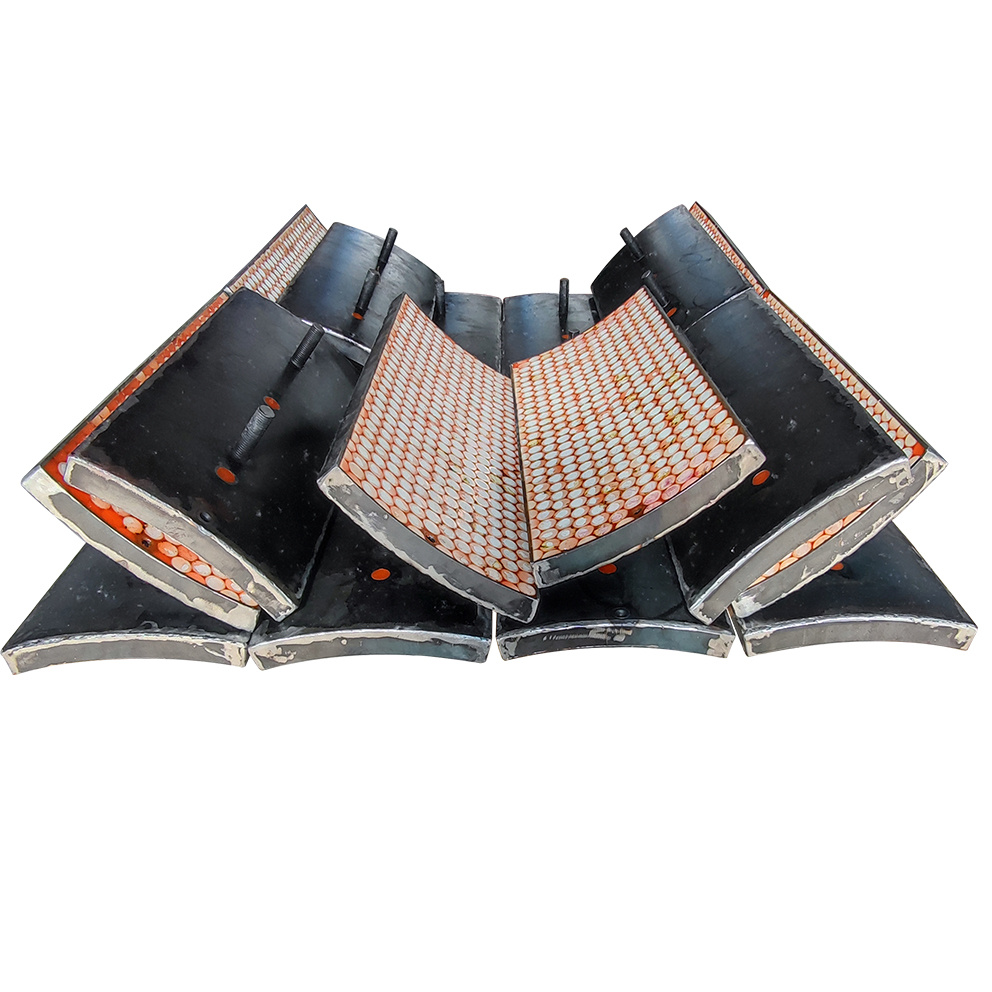
Chute wear liners protect the underlying steelwork where ore, aggregate or other bulk material drops, slides or changes direction. Common applications include conveyor transfer points, feed chutes, bin outlets and hoppers. The wear pattern matters: high-impact zones and sliding-abrasion zones can call for different liner profiles, materials and thicknesses on the same chute. Fixing method also affects access during maintenance and replacement.
Typical options include abrasion-resistant steel plate, high-chromium cast iron, and ceramic-rubber composites with steel backing. Bolt-on or weld-on designs depend on the existing structure and operating conditions. Send Alpha Industrial Works the liner layout or part drawing, hole centres, thickness, fixing method and photographs of the wear area. Include the material conveyed and the approximate drop height if known. We can review the scope against the confirmed geometry and duty before quoting.
At shutdowns, check liner thickness, high-wear zones and fixing condition. Recording the wear pattern helps separate recurring impact damage from sliding abrasion.
Materials: Specified wear-resistant steel, or ceramic/rubber composite with a steel backing for selected duties.
Maintenance: Inspect worn sections and fixings at planned stops; prioritise high-wear zones.