

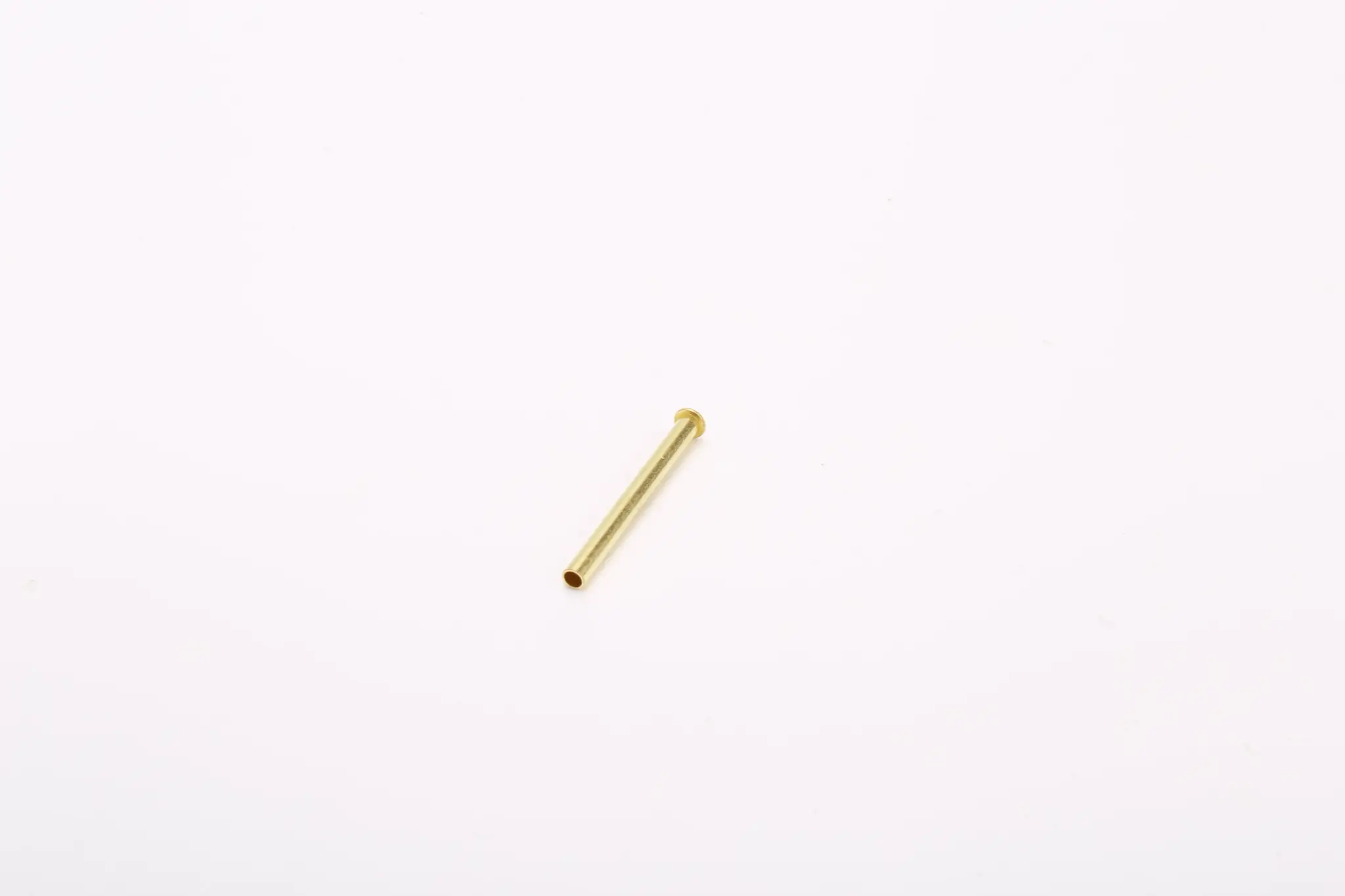
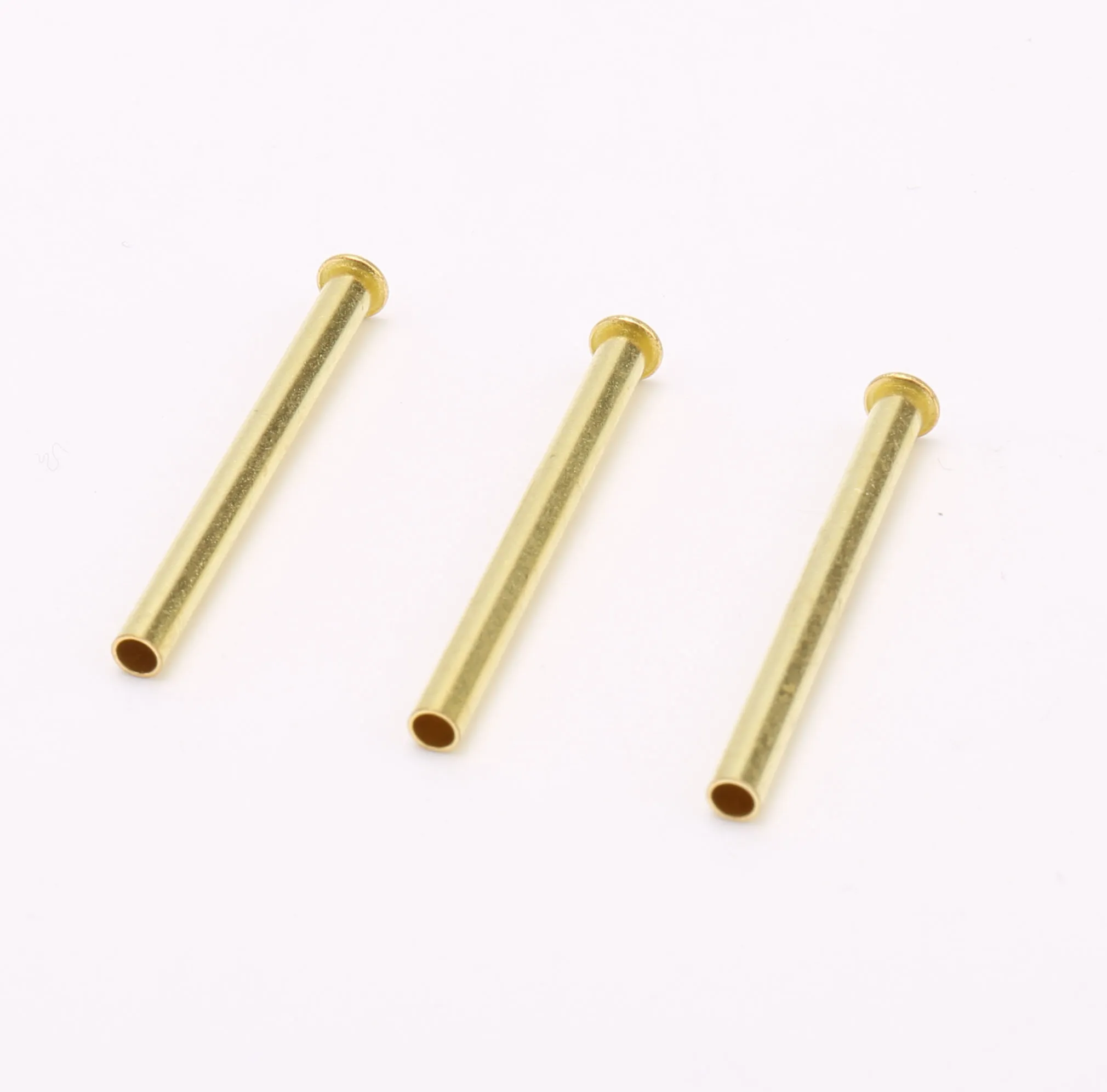

Full Description
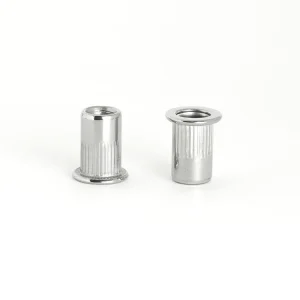
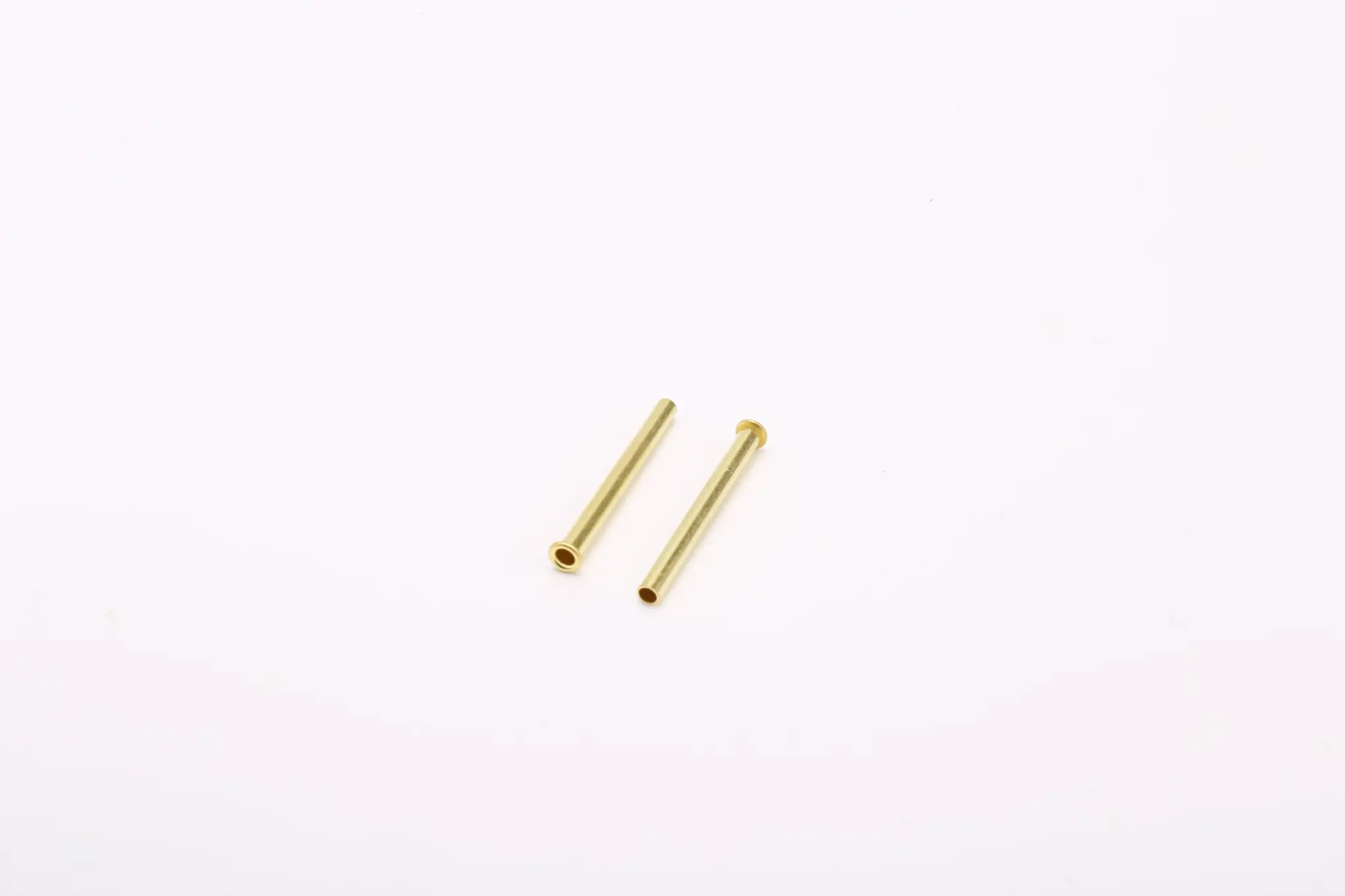
Alpha Industrial Works supplies blind rivets for fastening applications where access to the rear of the joint is restricted or unavailable.
Commonly described as pull rivets or mandrel rivets, these fasteners allow components to be joined from the accessible side using compatible setting equipment.
Supply to an agreed specification helps match the rivet body, grip range and setting element to your workpiece materials, assembly thickness and installation conditions.
Typical Applications
Blind rivets may be considered for:
- Sheet-metal enclosures
- Equipment cabinets
- Panels and covers
- Brackets and fittings
- Light equipment assemblies
- Fabricated components
- Closed-section assemblies
- OEM production
- Repair and maintenance applications
Suitability depends on the loading, vibration, service environment and required joint performance.
One-Sided Installation
The rivet body passes through the aligned workpiece holes. The setting tool acts against the head while pulling or actuating the internal setting element, causing the body to deform and retain the assembly on the inaccessible side.
Depending on the design, the setting element may break away or remain within the installed body.
Specify the required rivet construction and installed condition so the fastener and tooling can be reviewed together.
Grip Range and Joint Thickness
The grip range must accommodate the combined thickness of the joined components.
For quotation, provide:
- Minimum and maximum stack thickness
- Workpiece materials
- Receiving-hole diameter and tolerance
- Rivet body diameter
- Required grip range
- Body length
- Clearance behind the joint
These details help establish a suitable rivet specification and consistent installation.
Head Style and Visible Finish
The head provides the bearing surface on the accessible side. Its profile should suit the available space, workpiece support and appearance requirements.
Specify:
- Head style
- Head diameter
- Head height
- Seating requirements
- Surface finish
- Acceptable installation marks
Where flush seating is required, include the corresponding head geometry and prepared-hole details.
Setting Tool and Access
The setting equipment must be compatible with the rivet and internal setting element.
Include details of:
- Tool make or type
- Nosepiece requirements
- Available approach angle
- Clearance around the head
- Restricted installation spaces
- Manual or automated assembly
A representative workpiece sample can help clarify access and grip requirements where the joint is difficult to describe.
Body and Setting-Element Materials
The rivet body and setting element should be specified separately.
Material selection should consider:
- Materials being joined
- Corrosion exposure
- Contact between dissimilar metals
- Required clamping performance
- Service loads
- Appearance
- Indoor or outdoor use
Any coating or finish should be reviewed against the complete assembly and operating environment.
Joint Performance Requirements
Provide the loading conditions, vibration exposure and acceptance criteria relevant to the application.
Include any requirements for:
- Shear and tensile performance
- Resistance to loosening
- Setting-element retention
- Workpiece deformation
- Inspection after installation
Where future removal or disassembly matters, identify that requirement during specification review.
Inspection and Sample Approval
Trial installation should use the intended workpiece materials, hole preparation and setting tool.
Checks may include:
- Rivet dimensions
- Suitability of the grip range
- Head seating
- Formation on the blind side
- Setting-element condition
- Joint retention
- Workpiece distortion
- Surface damage
- Performance against agreed criteria
An approved specification and installed sample provide a consistent reference for repeat supply.
Supply to Specification
Alpha Industrial Works can assist with blind rivet enquiries based on:
- Engineering drawings
- Physical samples
- Dimensional specifications
- OEM requirements
- Replacement-part requirements
For an accurate quotation, provide the workpiece materials, total thickness, hole dimensions, head style, body and setting-element materials, finish, tooling details and required quantity.
Custom requirements, sample availability, minimum order quantities and lead times are confirmed during quotation.
Product Specifications
| Specification | Details |
|---|---|
| Body Material | To agreed application specification |
| Setting-Element Material | To agreed application specification |
| Body Diameter | To customer requirement |
| Grip Range | Matched to the workpiece stack |
| Head Type | To customer specification |
| Setting-Element Type | To specified rivet design |
| Finish | To customer specification |
| Installation | From one accessible side using compatible tooling |
| Custom Requirements | Subject to specification review |
Key Features
- Installation from one accessible side
- Suitable for joints with restricted rear access
- Body diameter and grip range matched to the assembly
- Head style specified for seating and appearance
- Body and setting-element materials defined separately
- Tool compatibility reviewed for the application
- Supply to agreed specifications
- Suitable for OEM and maintenance enquiries
Industries
Potential applications across:
- Sheet-metal fabrication
- Equipment manufacturing
- Electrical enclosure manufacturing
- Hardware manufacturing
- Mechanical engineering
- OEM production
- Maintenance and repair
Request a Quote
Get blind rivets matched to your assembly. Send Alpha Industrial Works your drawing or sample, workpiece materials, total thickness, hole diameter, head requirements, setting-tool details and quantity for review and quotation.
Product Category
Rivets / Blind Rivets