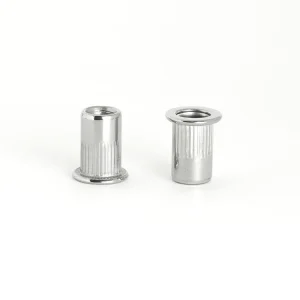
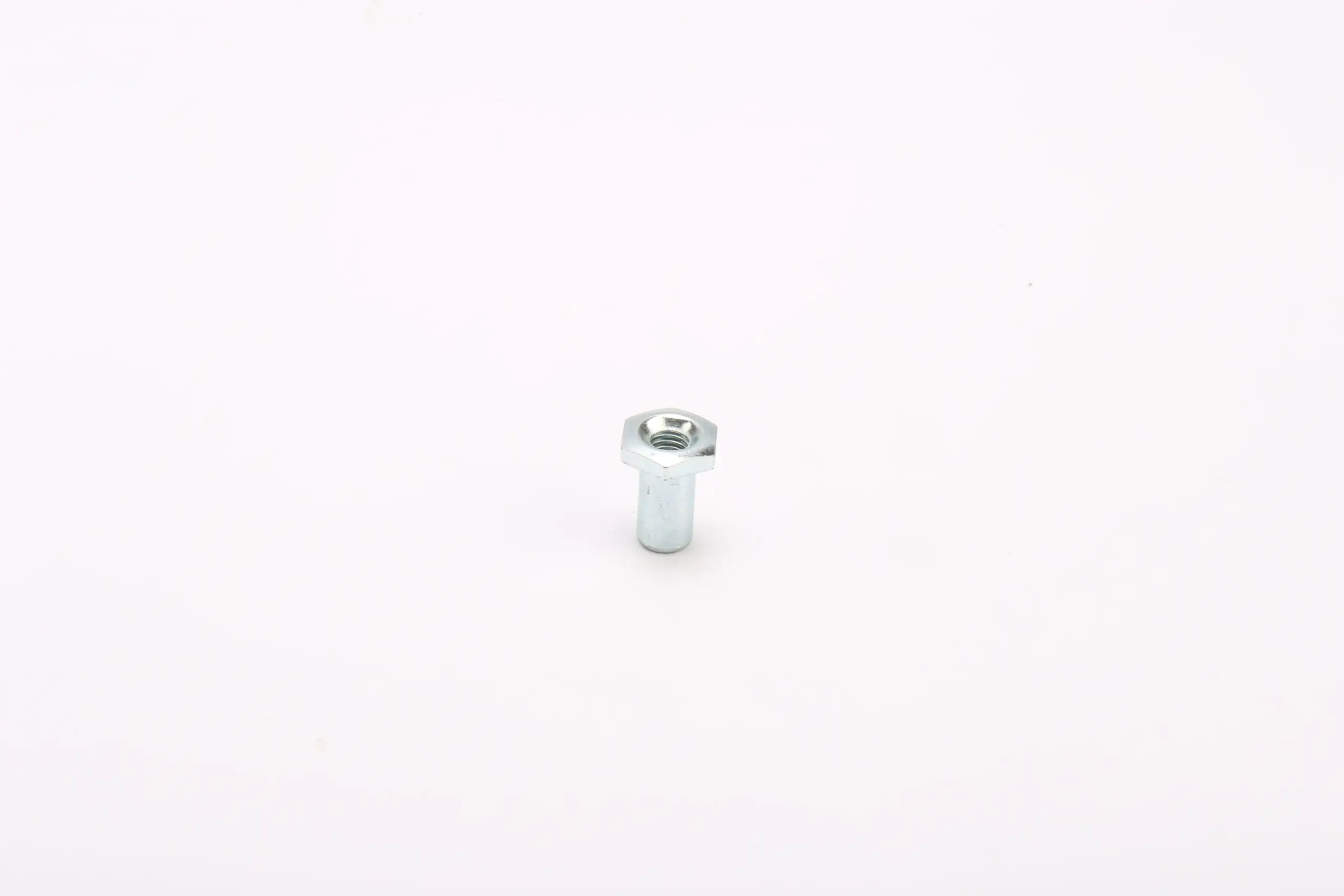
Hex Nuts (Hexagonal Threaded Nuts)
Alpha Industrial Works supplies hex nuts and custom hexagonal threaded fasteners for industrial fastening, mechanical engineering, machinery assembly and general maintenance applications.
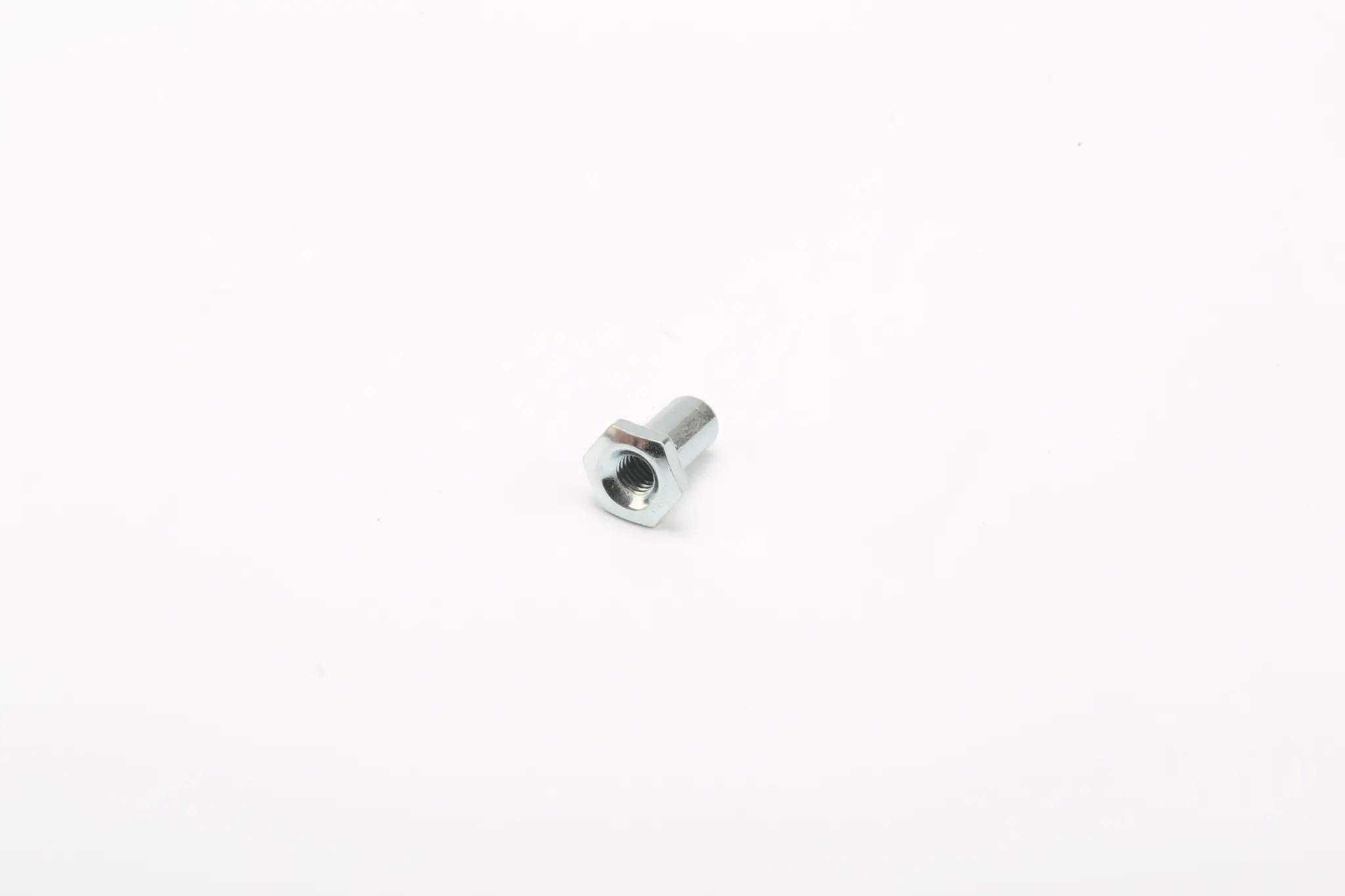
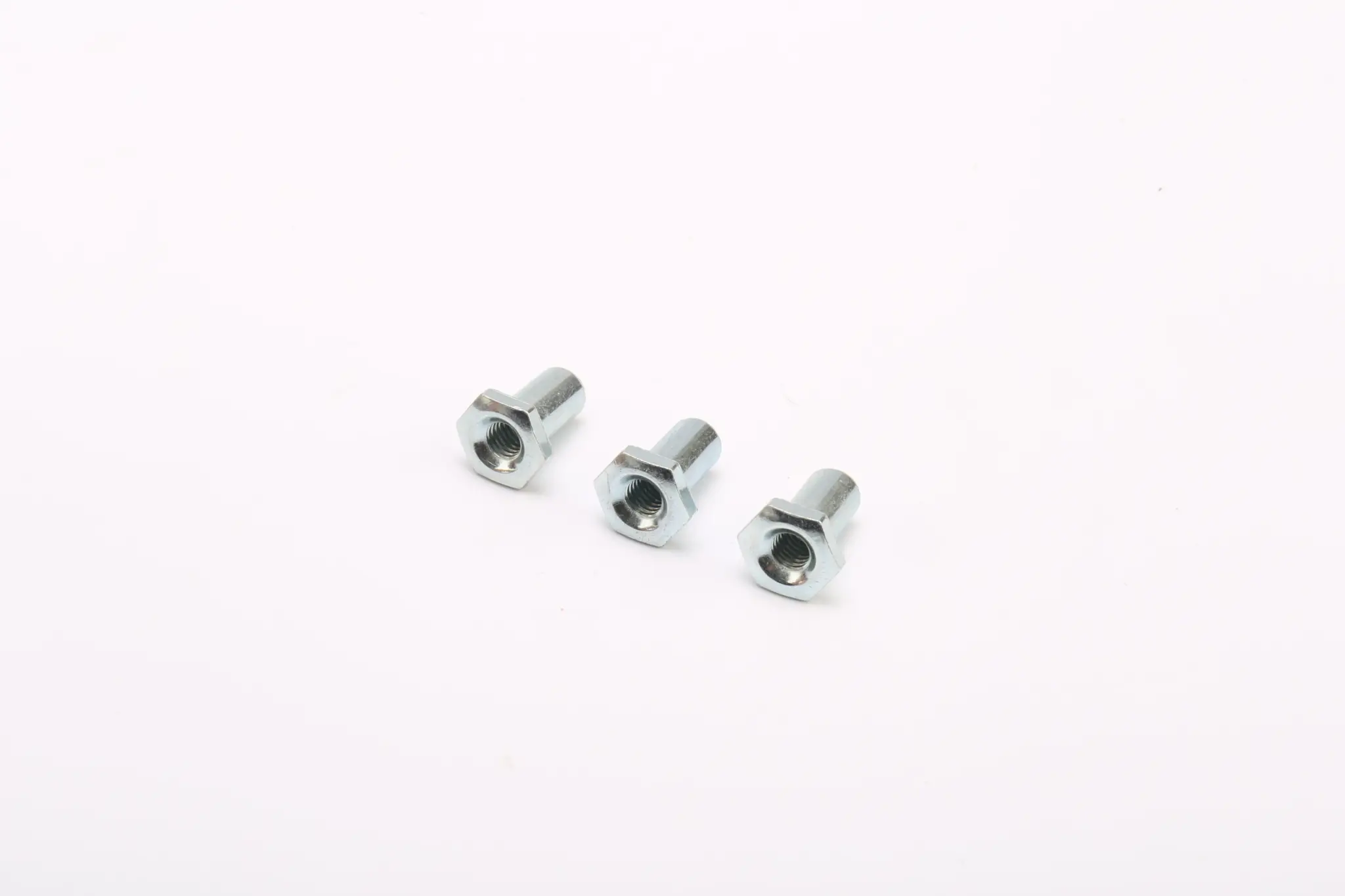
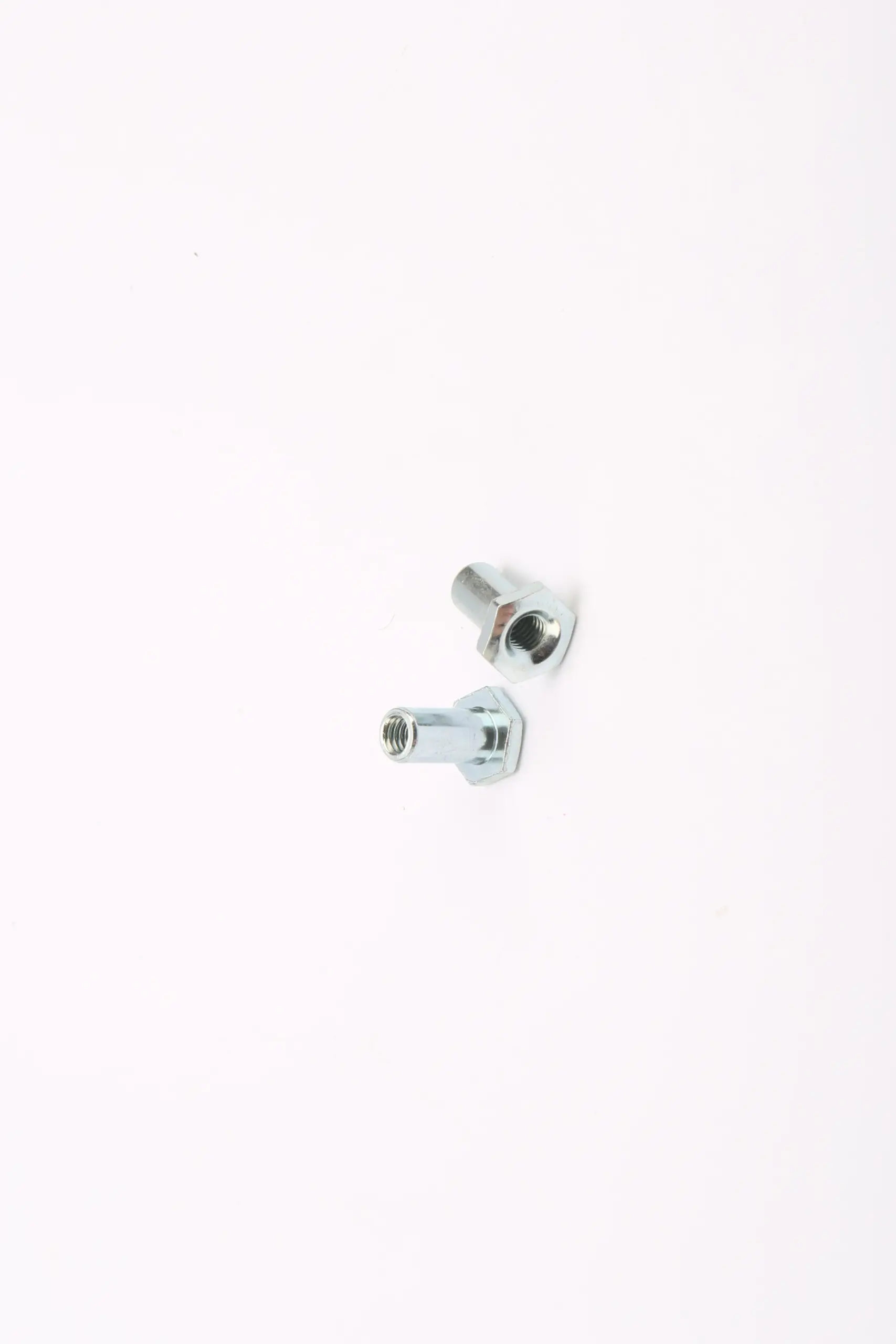
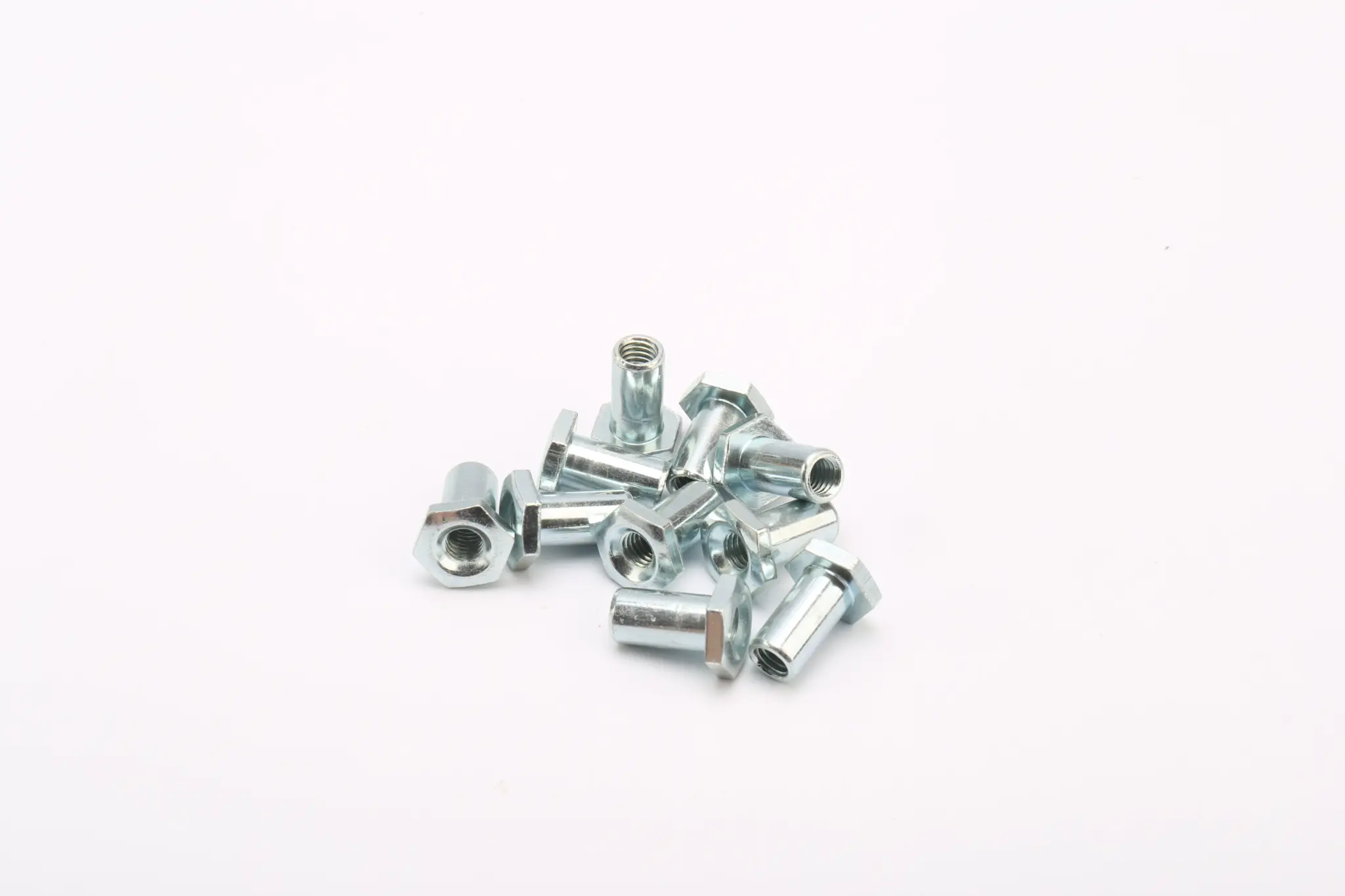
Also known as hexagonal nuts, six-sided nuts, hex machine nuts, threaded hex nuts or industrial fastening nuts, these components feature a six-sided external body and an internally threaded bore designed to engage compatible bolts, screws or threaded studs.
The hexagonal profile provides flat surfaces for engagement with spanners, wrenches and sockets, while the bearing face transfers the applied clamping force into the mating assembly.
Alpha Industrial Works can assist with sourcing or custom manufacturing hex nuts according to customer engineering drawings, physical samples, dimensional specifications and application requirements.
Depending on the design, hex nuts may be supplied in standard configurations or manufactured with custom thread dimensions, body heights, chamfers, seating surfaces and material specifications.
Typical Applications
Hex nuts are commonly considered for:
- Industrial machinery assemblies
- Mining equipment
- Mechanical fastening systems
- Equipment frames and structural brackets
- Metal fabrication
- Machinery mounting systems
- Equipment guards and protective covers
- Automotive components
- Agricultural machinery
- Construction equipment
- Industrial maintenance
- Mechanical fixtures and jigs
- Threaded adjustment mechanisms
- Equipment housings and enclosures
- General bolted connections
- OEM manufacturing
- Replacement machinery components
- Custom engineering assemblies
Suitability depends on the thread specification, nut geometry, material grade, fastening loads, installation method and mating component dimensions.
Hexagonal Body Construction
Hex nuts feature a six-sided external profile with a central internally threaded opening.
The hexagonal shape provides flat surfaces for tool engagement during installation and removal.
Depending on the design, hex nuts may incorporate:
- Standard hexagonal bodies
- Custom body heights
- Flat bearing surfaces
- Chamfered edges
- Radiused transitions
- Stepped body profiles
- Custom seating features
- Through-threaded bores
- Specialized external dimensions
The required configuration should be established according to the engineering drawing or applicable fastener standard.
Six-Sided Profile and Wrench Engagement
The six-sided external profile allows torque to be applied using compatible fastening tools.
The geometry provides multiple tool engagement positions, which can assist with installation in assemblies where available movement is restricted.
Important specifications include:
- Across-flats dimension
- Across-corners dimension
- Hexagonal body height
- Corner geometry
- Edge chamfers
- Tool engagement depth
- Socket compatibility
- Available wrench clearance
- Surrounding component clearance
The nut should provide sufficient tool engagement without interference from adjacent structures.
A nut may fit the mating thread correctly but still be unsuitable if the surrounding assembly prevents adequate wrench or socket access.
Across-Flats and Across-Corners Dimensions
The across-flats dimension determines the nominal size of the compatible wrench or socket.
The across-corners dimension affects the space required for the hexagonal body to rotate or accommodate a tool.
Important considerations include:
- Nominal wrench size
- Across-flats tolerance
- Across-corners clearance
- Corner condition
- Body concentricity
- Adjacent component spacing
- Socket outside diameter
- Required tool approach
Where installation space is limited, the tool clearance envelope should be reviewed before approving the component.
Internal Thread Requirements
The internal thread provides the fastening connection between the hex nut and its mating bolt, screw or threaded stud.
Correct thread engagement is essential for reliable assembly and fastening performance.
For drawing review, specify:
- Internal thread diameter
- Thread pitch
- Thread standard
- Right-hand or left-hand thread
- Thread tolerance
- Usable thread depth
- Thread entry chamfer
- Mating bolt or stud dimensions
- Required thread engagement
- Thread condition after finishing
The thread should engage freely without cross-threading or binding.
The first threads should normally be capable of engaging by hand before final tightening, where the assembly design permits.
Metric and Imperial Thread Options
Hex nuts may be specified with different thread systems according to the mating fastener and intended application.
Potential thread specifications include:
- ISO metric threads
- Metric coarse threads
- Metric fine threads
- Unified National Coarse threads
- Unified National Fine threads
- Other customer-specified thread forms
The exact thread designation, pitch, tolerance and direction should be confirmed before ordering.
A matching nominal diameter does not necessarily establish thread compatibility.
Nut Thickness and Thread Engagement
Nut thickness is an important dimensional consideration because it affects available thread engagement and the overall fastening arrangement.
Important specifications include:
- Nominal nut thickness
- Minimum body height
- Usable internal thread length
- Mating fastener length
- Required thread engagement
- Available installation clearance
- Washer thickness, where applicable
- Final assembled position
A thinner nut should not automatically be treated as interchangeable with a standard-height nut.
The required geometry and mechanical performance should be established according to the joint design and applicable specification.
Bearing Face and Seating Surface
The bearing face provides contact between the hex nut and the mating component.
Correct seating helps maintain alignment and transfer clamping forces through the intended contact surfaces.
Important requirements include:
- Bearing face flatness
- Seating surface condition
- Contact area
- Thread alignment
- Edge chamfers
- Burr removal
- Washer compatibility
- Surface finish
- Mating component support
The nut should seat squarely against the intended surface without rocking or interference.
Where the mating surface is soft, irregular or contains a slotted hole, an appropriate washer or alternative bearing arrangement may require engineering review.
Chamfers and Edge Geometry
Hex nuts may incorporate chamfers or radiused transitions around the external corners and threaded opening.
These features can influence tool engagement, thread entry and contact with adjacent components.
Important considerations include:
- External edge chamfers
- Thread entry chamfers
- Corner radii
- Bearing face geometry
- Edge condition
- Burr removal
- Tool engagement clearance
The required chamfer dimensions should be defined according to the drawing or applicable standard.
Damaged corners or unsuitable edge geometry may reduce effective tool engagement.
Bolted Joint Compatibility
The performance of a hex nut depends on the complete fastening arrangement rather than the nut alone.
Important considerations include:
- Bolt or stud specification
- Internal thread compatibility
- Material grade
- Nut thickness
- Bearing face geometry
- Washer selection
- Joint stiffness
- Applied fastening loads
- Operating temperature
- Vibration exposure
- Environmental conditions
The selected nut should be compatible with the mating fastener and the intended joint requirements.
Where mechanical strength or a specific property class is required, the applicable specification should be identified before procurement.
Vibration and Locking Requirements
Conventional hex nuts are not automatically self-locking fasteners.
The six-sided body provides a wrenching surface but does not establish a locking mechanism.
Where vibration resistance or controlled retention is required, the joint design may specify:
- Locknuts
- Nylon-insert locking nuts
- Prevailing-torque nuts
- Mechanical locking arrangements
- Approved locking washers
- Other engineered retention methods
The appropriate locking solution should be selected according to the fastening application.
A standard hex nut should not be substituted for a specified locking component without engineering approval.
Installation and Tightening Considerations
Correct installation requires compatibility between the internal thread, external body and surrounding assembly.
Important considerations include:
- Installation direction
- Tool approach
- Wrench or socket clearance
- Thread cleanliness
- Thread alignment
- Prevention of cross-threading
- Bearing face contact
- Washer positioning
- Mating fastener length
- Appropriate tightening procedure
- Maintenance and removal access
The nut should engage freely with the mating thread before final tightening.
The required tightening torque or preload should be established according to the joint design, fastener specification and approved assembly procedure.
A tightening value should not be inferred from nut size alone.
Material and Mechanical Property Requirements
Hex nuts can be specified in materials selected according to the intended mechanical application and operating environment.
Depending on customer requirements, material options may include:
- Carbon steel
- Alloy steel
- Stainless steel
- Brass
- Aluminium
- Other customer-specified materials
Material selection should consider:
- Required mechanical strength
- Fastener property class
- Corrosion exposure
- Operating temperature
- Mating bolt compatibility
- Wear resistance
- Environmental conditions
- Applicable engineering standards
Where a defined property class, hardness range or material certification is required, these details should be included in the purchase specification.
The material grade should not be inferred from the appearance of the nut.
Surface Finish and Corrosion Protection
Hex nuts may be specified with protective or decorative surface finishes according to the intended application.
Potential requirements may include:
- Zinc plating
- Nickel plating
- Black oxide finishes
- Protective coatings
- Corrosion-resistant surface treatments
- Uncoated finishes
- Customer-specified coating systems
The selected finish should be compatible with the mating fastener and operating environment.
Where coating thickness affects the internal thread, the required thread fit should be evaluated according to the applicable specification.
Important considerations include:
- Coating thickness
- Thread condition after finishing
- Bearing face condition
- Corrosion exposure
- Chemical compatibility
- Contact with dissimilar metals
- Surface appearance
- Cleaning requirements
Industrial Maintenance and Replacement Applications
Hex nuts are widely considered for machinery maintenance, equipment servicing and replacement fastening requirements.
For replacement applications, the original fastener specification should be reviewed before selecting a substitute.
Important information includes:
- Existing thread designation
- Nut thickness
- Across-flats dimension
- Material grade
- Property class
- Surface finish
- Locking requirements
- Mating bolt specification
- Installation clearance
A replacement nut should not be selected solely because it fits the mating thread.
Where the original component is part of a load-bearing or safety-critical joint, the applicable engineering requirements should be confirmed.
Inspection and Quality Requirements
Inspection requirements should be established according to the engineering drawing, intended application and agreed acceptance criteria.
Checks may include:
- Internal thread size and pitch
- Thread tolerance
- Thread direction
- Usable thread depth
- Across-flats dimension
- Across-corners dimension
- Nut thickness
- Hexagonal body geometry
- Corner condition
- Chamfer dimensions
- Thread entry condition
- Bearing face flatness
- Burr removal
- Material specification
- Mechanical property requirements
- Surface finish
- Coating condition
- Fit with the mating fastener
Trial assembly should be performed using the intended bolt, screw or threaded stud where compatibility is critical.
The sample should demonstrate correct thread engagement, bearing face contact and suitable tool access.
Custom Manufacturing
Alpha Industrial Works can assist with hex nuts produced according to:
- Engineering drawings
- Physical samples
- Dimensional specifications
- Applicable fastener standards
- OEM requirements
- Replacement-part requirements
- Custom mechanical assembly specifications
Important information for quotation includes:
- Internal thread size and pitch
- Thread standard
- Thread direction
- Thread tolerance
- Across-flats dimension
- Across-corners dimension
- Nut thickness
- Bearing face requirements
- Chamfer dimensions
- Material grade
- Mechanical property class
- Quantity
- Dimensional tolerances
- Surface finish
- Coating or plating requirements
- Mating bolt or stud details
- Washer requirements
- Installation clearance
- Fastening load requirements
- Inspection requirements
- Material certification requirements
- Packaging specifications
Providing complete technical information helps establish manufacturing feasibility, installation compatibility, quotation accuracy and the required acceptance criteria.
Key Features
- Six-sided hexagonal external body
- Internally threaded fastening design
- Flat surfaces for wrench and socket engagement
- Suitable for compatible bolted assemblies
- Defined bearing and seating surfaces
- Custom thread sizes and pitches
- Metric and imperial thread options subject to specification
- Custom nut thicknesses and external dimensions
- Chamfered edge configurations
- Material and property class options subject to specification
- Protective and decorative finish options
- Suitable for industrial machinery and fabricated assemblies
- Custom manufacturing to drawing or sample
- Suitable for OEM and replacement-part enquiries
- Suitable for prototype and production quantity enquiries
Industries
Potential applications across:
- Mining
- Manufacturing
- Mechanical engineering
- Precision engineering
- Automotive component manufacturing
- Agricultural machinery
- Construction equipment
- Metal fabrication
- Industrial machinery
- Equipment fabrication
- OEM manufacturing
- Maintenance and repair
- General engineering
Request a Quote
Find the right hexagonal fastening solution for your mechanical or industrial assembly.
Send Alpha Industrial Works your engineering drawing or physical sample, required quantity, thread specifications, across-flats dimensions, nut thickness, material grade, property class and surface finish requirements for technical review and quotation.
Whether you require standard hex nuts for industrial machinery, replacement fastening components for equipment maintenance or custom hexagonal nuts for OEM production, Alpha Industrial Works can assist with sourcing or manufacturing solutions based on your specifications.
Product Category
Engineering Components