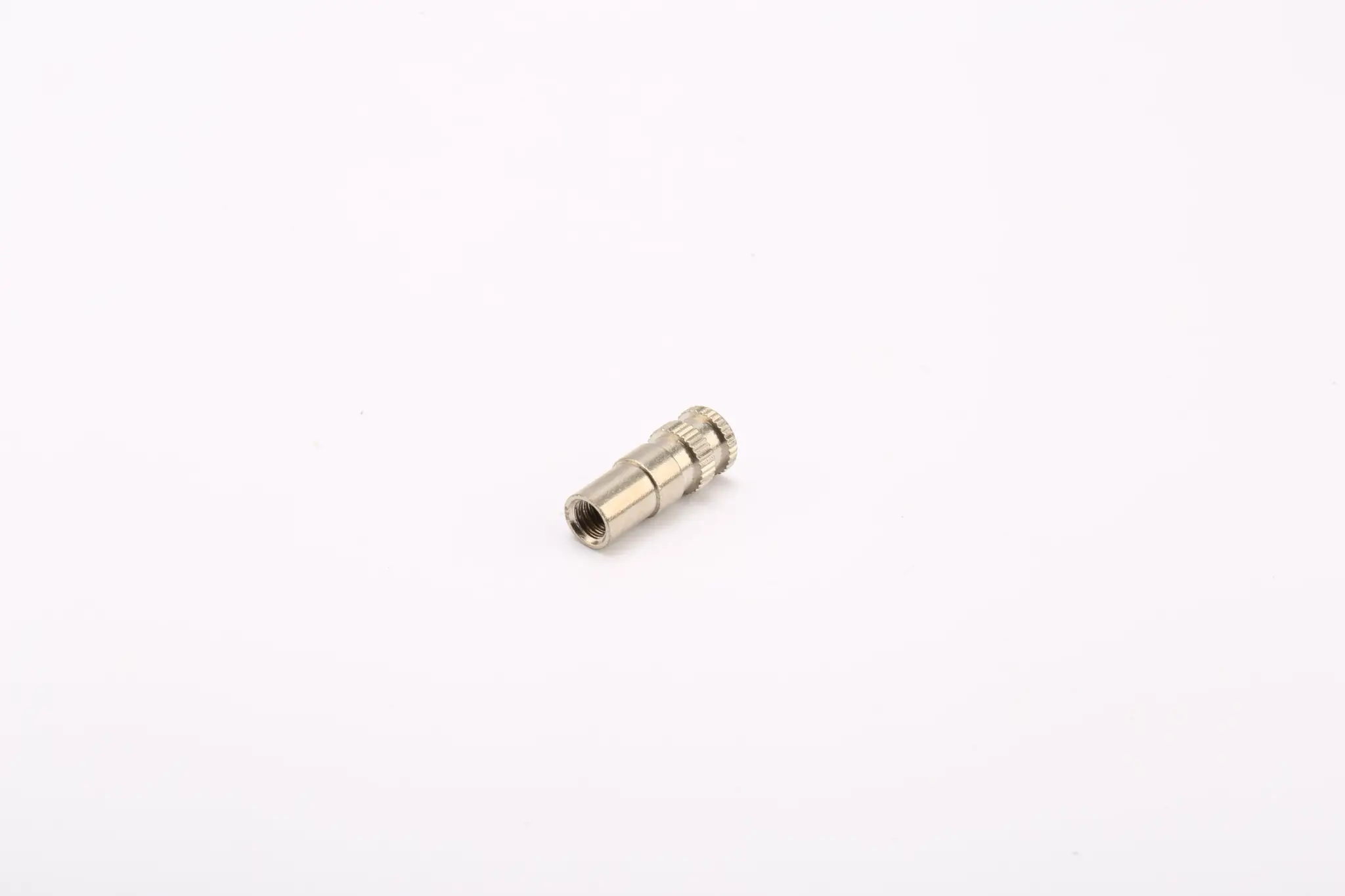
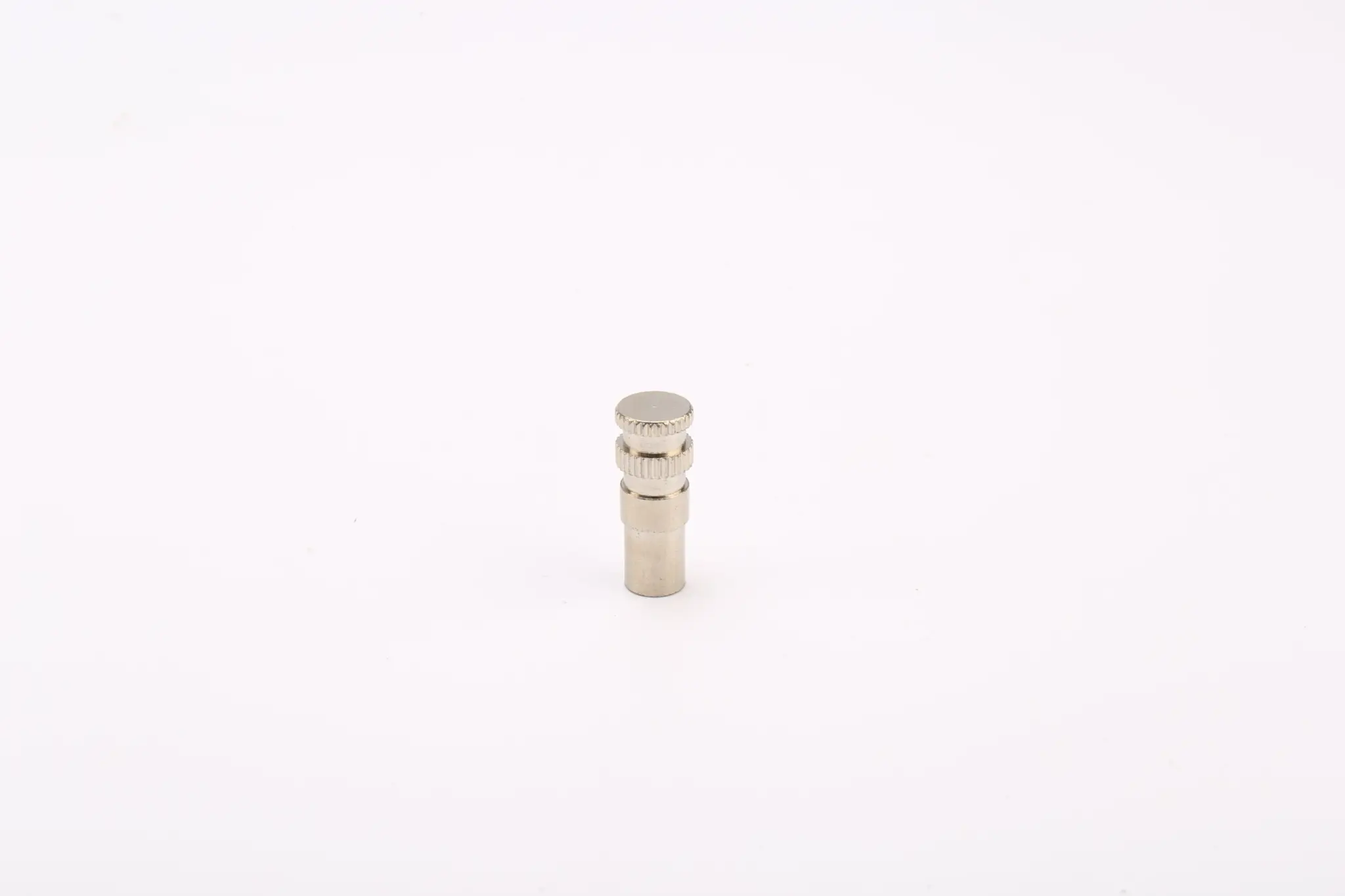
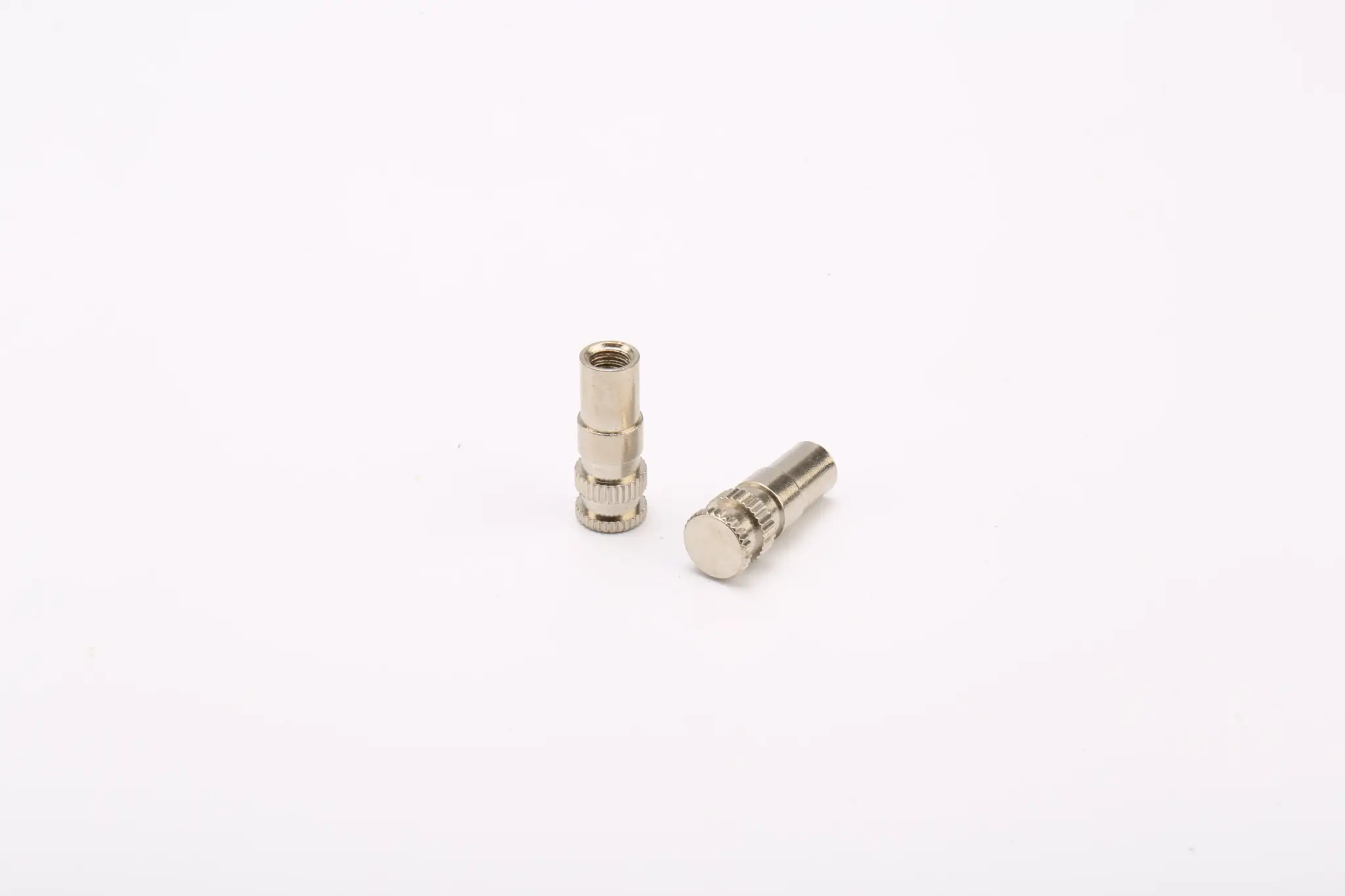
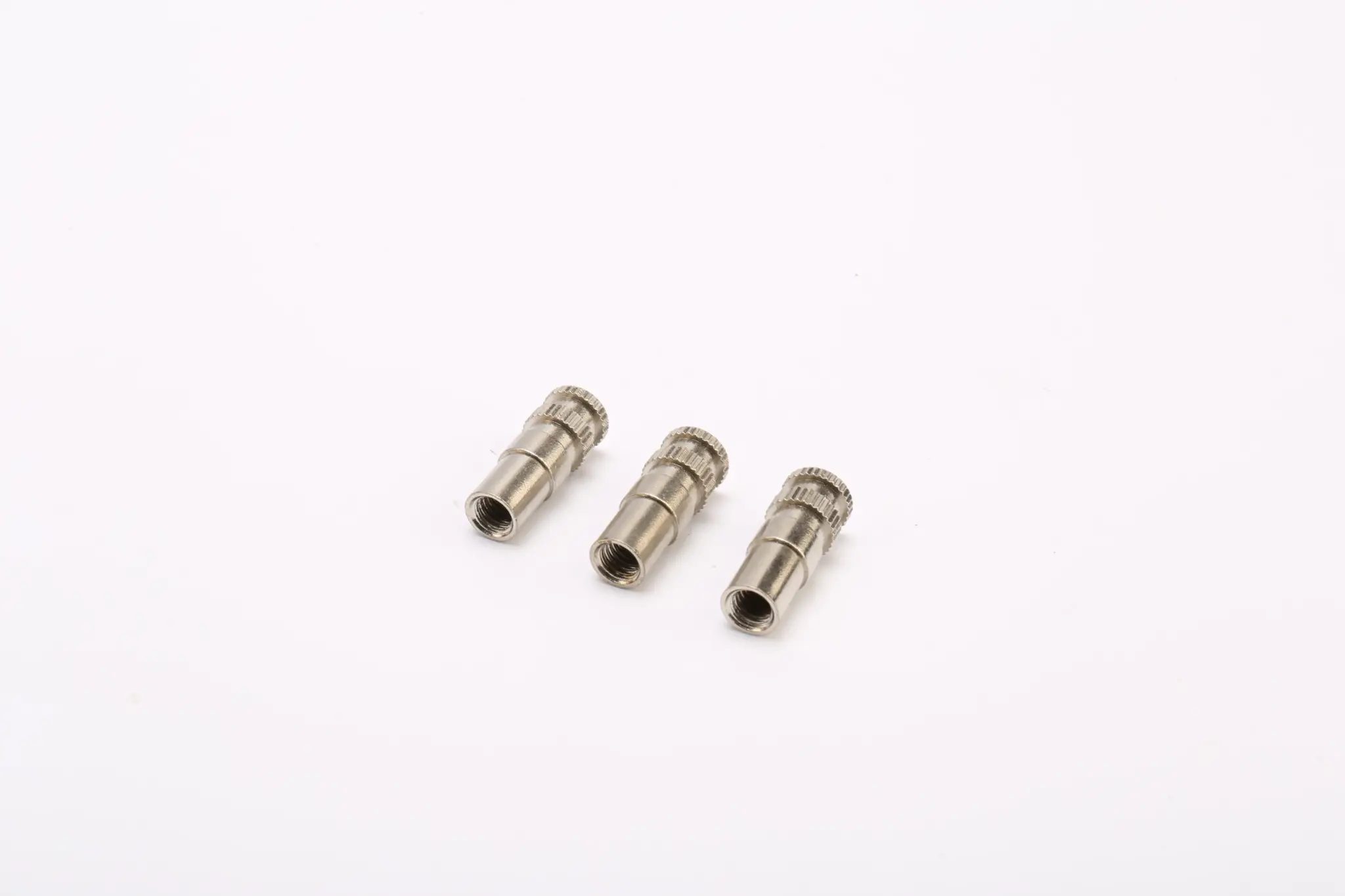
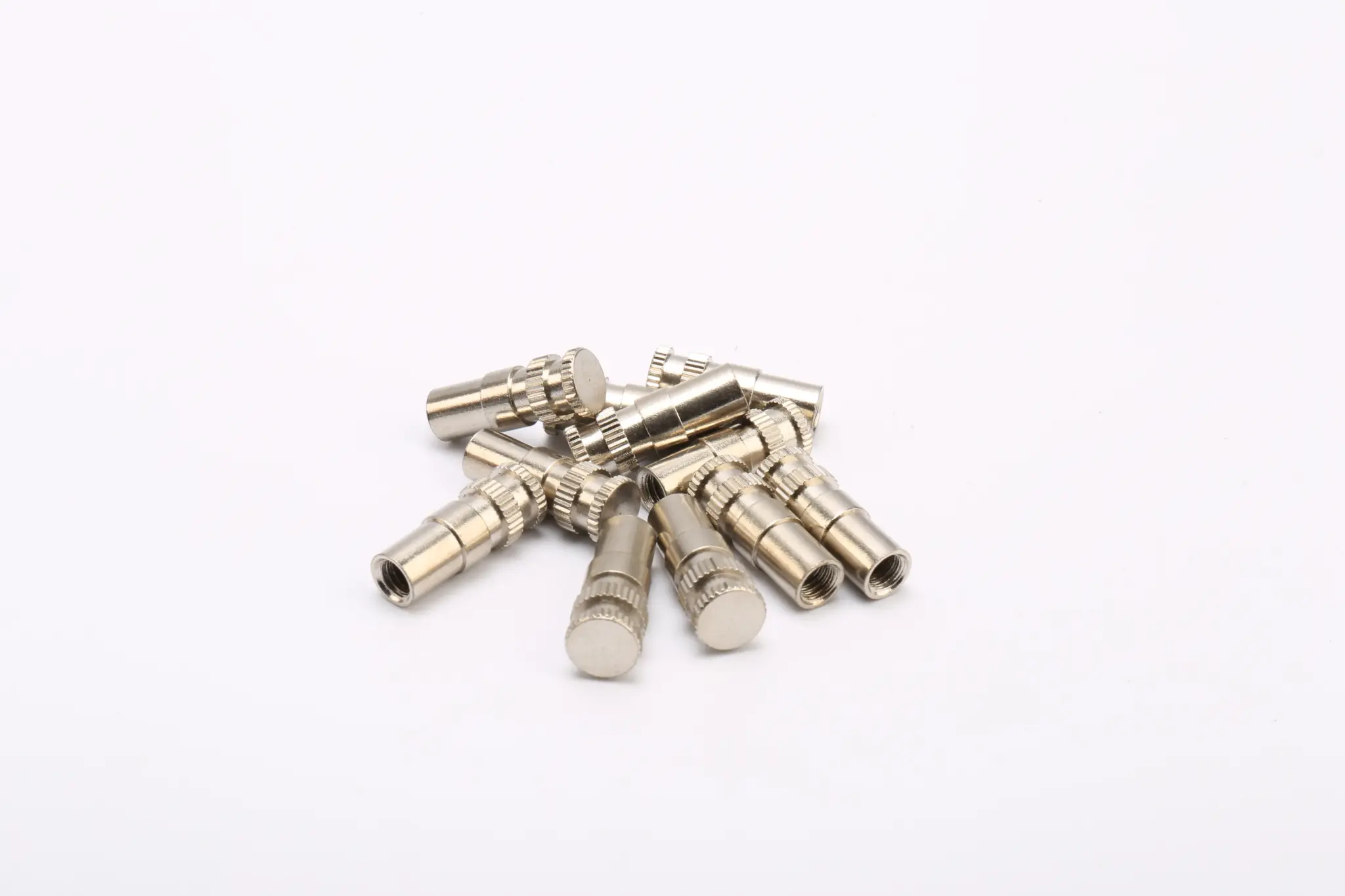
Alpha Industrial Works supplies copper embedded nuts and copper-toned threaded inserts for industrial fastening, precision engineering and mechanical assemblies requiring internally threaded mounting points within plastic, wood, composite and other compatible materials.
Also known as copper threaded inserts, copper knurled nuts, copper insert nuts, embedded threaded nuts, knurled copper inserts or copper-coloured fastening inserts, these components feature an internally threaded bore and an externally patterned body designed to engage with the surrounding material.
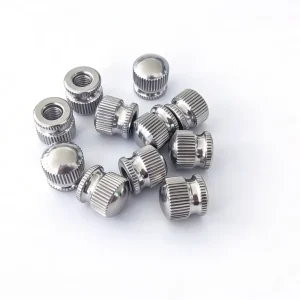
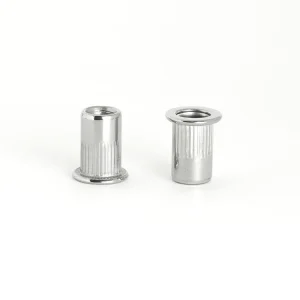
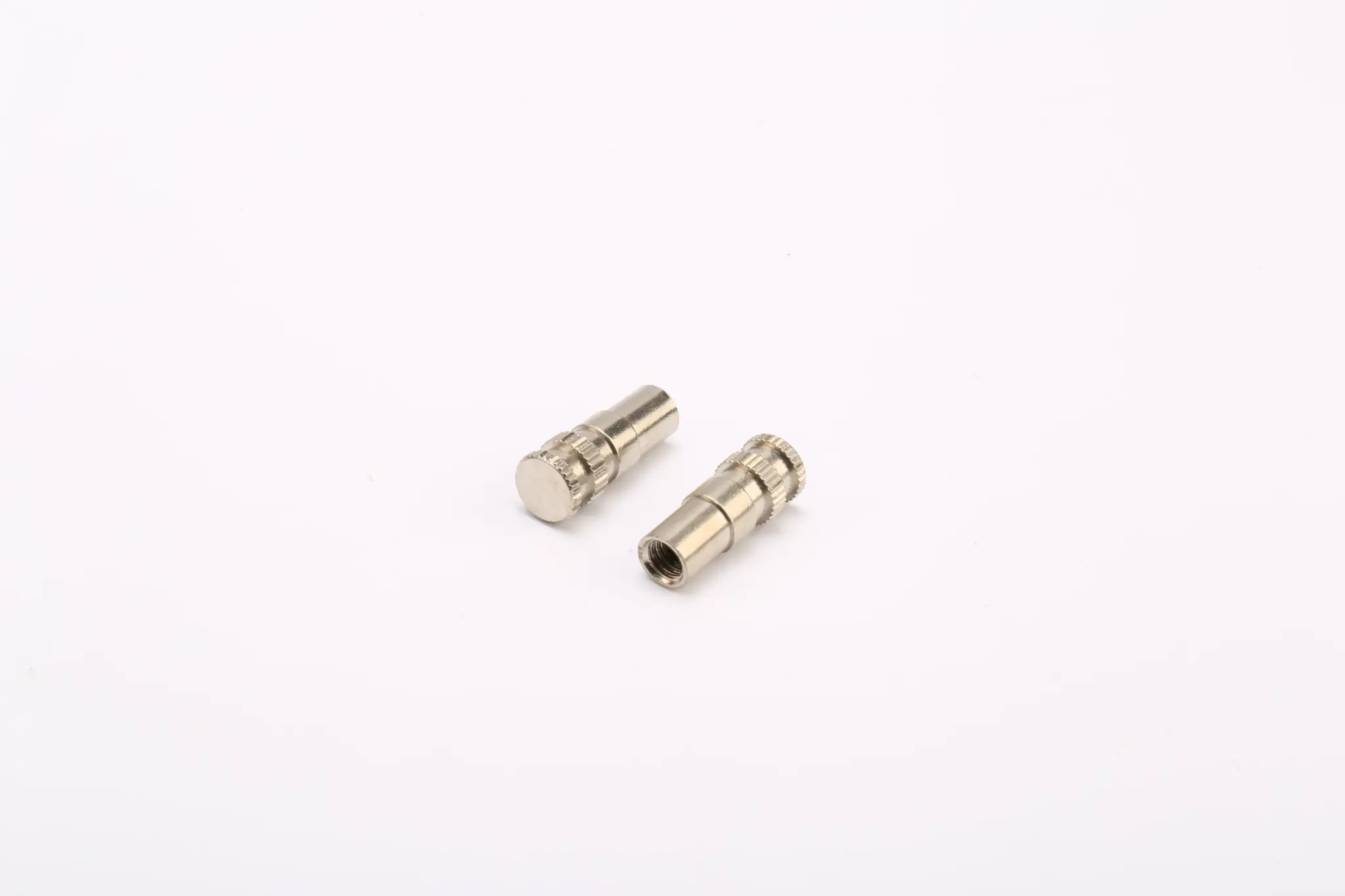
Depending on the design, copper embedded nuts may incorporate diamond knurling, straight ribs, cylindrical bodies, locating shoulders or custom external retention features.
Alpha Industrial Works can assist with sourcing or custom manufacturing according to customer engineering drawings, physical samples, dimensional specifications and application requirements.
The base material and surface finish should be confirmed before ordering, as a copper-coloured appearance does not necessarily indicate solid copper construction.
Typical Applications
Copper embedded nuts may be considered for:
- Plastic injection-moulded components
- Thermoplastic assemblies
- Composite material components
- Wood and engineered timber assemblies
- Industrial machinery housings
- Electrical equipment enclosures
- Instrumentation components
- Automotive interior components
- Agricultural equipment
- Mining equipment
- Equipment mounting brackets
- Industrial fixtures and jigs
- Threaded mounting points
- Decorative mechanical assemblies
- OEM manufacturing
- Replacement fastening components
- Custom engineering assemblies
Suitability depends on the receiving material, insert geometry, base material, installation method, fastening loads and surrounding component dimensions.
Copper Embedded Nut Construction
Copper embedded nuts feature a compact metal body with an internally threaded opening designed to accept a compatible screw, bolt or threaded stud.
The external body incorporates features intended to engage with the receiving material through an approved installation process.
Depending on the design, embedded nuts may include:
- Cylindrical threaded bodies
- Diamond-knurled outer surfaces
- Straight ribbed profiles
- Cross-knurled sections
- Stepped body configurations
- Locating shoulders
- Flanged seating surfaces
- Chamfered insertion ends
- Open through-bores
- Blind-threaded configurations
- Custom external retention features
The required configuration should be selected according to the receiving material, installation process and intended mechanical application.
Copper Material and Surface Finish
The copper-toned appearance of an embedded nut may result from its base material, alloy composition or applied surface finish.
Possible specifications may include:
- Copper
- Customer-specified copper alloys
- Brass or other copper-based alloys
- Copper-plated steel
- Copper-plated metal substrates
- Customer-specified copper-coloured finishes
- Custom protective surface treatments
The required substrate and surface finish should be identified separately.
Material selection should consider:
- Mechanical strength
- Thread wear
- Corrosion exposure
- Electrical requirements, where applicable
- Compatibility with the receiving material
- Installation process
- Operating temperature
- Surface appearance
- Cleaning requirements
A copper-coloured surface does not automatically establish electrical conductivity, corrosion resistance or a particular material grade.
Where specific material properties are required, the appropriate grade, coating and acceptance criteria should be included in the purchase specification.
Internal Thread Requirements
The internal thread provides the fastening connection between the embedded nut and its mating screw, bolt or threaded stud.
Correct thread engagement is essential for reliable installation and fastening performance.
For drawing review, specify:
- Internal thread diameter
- Thread pitch
- Thread standard
- Right-hand or left-hand thread
- Usable thread depth
- Thread tolerance
- Through-threaded or blind-threaded configuration
- Thread entry chamfer
- Mating screw or stud dimensions
- Required thread engagement
- Internal clearance requirements
The thread should remain accessible and free from obstruction after the insert has been installed.
Knurled and Ribbed External Profiles
Copper embedded nuts may incorporate external knurling or ribbed features designed to engage with the surrounding material.
Depending on the installation method, these features may help resist rotation or movement within the receiving component.
External profile options may include:
- Diamond knurling
- Straight knurling
- Cross-knurled sections
- Ribbed cylindrical bodies
- Interrupted knurling
- Stepped retention sections
- Custom textured surfaces
Important specifications include:
- Knurl outside diameter
- Knurl pattern
- Knurl depth
- Knurled section length
- Pattern position
- Body outside diameter
- Lead-in geometry
- Insertion direction
- Required installed depth
The effectiveness of the external retention profile depends on the receiving material, hole dimensions and approved installation method.
Knurling alone does not establish a defined pull-out or torque resistance rating.
Body Dimensions and Installation Depth
Correct body dimensions are important for compatibility with the receiving component.
The insert should provide sufficient thread engagement and mechanical support without causing unacceptable damage to the surrounding material.
Important dimensions include:
- Overall body length
- Body outside diameter
- Knurled outside diameter
- Internal thread diameter
- Usable thread depth
- Shoulder dimensions
- Flange dimensions, where applicable
- Insertion chamfer
- Installed height
- Required installation depth
The insert length should be selected according to the receiving component thickness, installation method and required thread engagement.
A longer insert does not automatically provide better retention where the surrounding material cannot adequately support it.
Receiving Hole and Material Compatibility
The receiving hole must be prepared according to the insert design and approved installation process.
Correct hole geometry helps achieve consistent insertion, seating and mechanical retention.
Important considerations include:
- Hole diameter
- Hole depth
- Hole tolerance
- Receiving material
- Material hardness
- Wall thickness
- Hole cleanliness
- Edge condition
- Surrounding material support
- Available installation clearance
A hole that is too small may cause cracking, deformation or damage to the external retention profile.
A hole that is too large may reduce mechanical engagement and affect the installed position.
The required hole dimensions should be established according to the insert geometry and receiving material.
Installation Methods
Copper embedded nuts may be designed for different installation processes depending on the receiving material and intended fastening requirements.
Potential installation methods include:
- Insert moulding
- Heat-assisted installation
- Press-in installation
- Mechanical insertion
- Installation into prepared recesses
- Other customer-specified assembly methods
Not every copper embedded nut is suitable for every installation process.
The approved installation method should be established according to the base material, external geometry, receiving material and manufacturing requirements.
Injection-Moulding Applications
Copper embedded nuts may be incorporated into compatible plastic injection-moulded components where an internally threaded fastening point is required.
Depending on the design, the insert may be positioned within the mould before the surrounding material is introduced.
Important considerations include:
- Plastic material specification
- Insert positioning
- Moulding temperature
- Material flow
- Material shrinkage
- Surrounding wall thickness
- Gate location
- Insert support
- Thread protection
- Installed orientation
- Final seating position
The moulding process should prevent unwanted material from entering the threaded bore.
Trial moulding should confirm the final insert position and the condition of the surrounding material.
Heat-Set and Press-In Installation
Certain copper embedded nut designs may be suitable for heat-assisted or mechanical insertion into compatible materials.
For heat-assisted installation, the process must be matched to the receiving polymer, insert material and external geometry.
For press-in installation, the receiving hole and insertion force should be controlled to avoid damage.
Important considerations include:
- Receiving material
- Insert geometry
- Installation temperature, where applicable
- Insertion force
- Hole diameter
- Installation depth
- Insert alignment
- Surrounding wall thickness
- Cooling or settling requirements
- Final thread condition
Generic installation temperatures or setting times should not be assumed suitable for every insert and receiving material.
The selected process should be validated before production.
Anti-Rotation and Pull-Out Considerations
The mechanical retention of an embedded nut depends on the interaction between its external profile and the surrounding material.
Important performance considerations include:
- Resistance to rotation
- Pull-out resistance
- Insert body dimensions
- Knurl geometry
- Installation depth
- Receiving material properties
- Hole dimensions
- Surrounding wall thickness
- Fastening loads
- Repeated assembly and removal
The copper appearance or base material alone does not determine retention performance.
Where specific pull-out or torque resistance values are required, appropriate testing and acceptance criteria should be established for the completed assembly.
Corrosion, Cleaning and Surface Protection
Copper embedded nuts may be used in applications where surface appearance or environmental compatibility is important.
The required finish should be reviewed according to the actual operating conditions.
Important considerations include:
- Base material
- Coating specification
- Coating thickness, where applicable
- Moisture exposure
- Chemical exposure
- Cleaning agents
- Contact with dissimilar metals
- Surface oxidation or discoloration
- Operating temperature
- Repeated handling
- Maintenance requirements
Abrasive cleaning methods may alter the appearance of a copper-toned surface or damage a thin applied coating.
Where appearance is important, acceptable surface condition, cleaning procedures and protective packaging should be agreed before production.
Thread Protection and Assembly
The internal thread should remain clean and undamaged throughout installation.
Depending on the process, the insert may be exposed to mechanical pressure, heat or surrounding material movement.
Important considerations include:
- Thread alignment
- Thread cleanliness
- Prevention of material ingress
- Protection against deformation
- Mating screw compatibility
- Required thread engagement
- Installation orientation
- Prevention of cross-threading
- Appropriate tightening requirements
After installation, a compatible mating screw should engage freely without obstruction.
Inspection and Quality Requirements
Inspection requirements should be established according to the engineering drawing, intended application and agreed acceptance criteria.
Checks may include:
- Base material specification
- Copper-toned surface finish
- Internal thread size and pitch
- Usable thread depth
- Overall body length
- Body outside diameter
- Knurled outside diameter
- Knurl pattern and coverage
- Shoulder or flange dimensions
- Thread alignment
- Entry chamfers
- Burr removal
- Coating condition
- Surface appearance
- Installed height
- Receiving hole compatibility
- Surrounding material condition
- Thread accessibility after installation
Trial installation should be performed using the intended production material where compatibility is critical.
The sample should demonstrate correct seating, thread engagement and mechanical retention without unacceptable cracking, deformation or damage to the surrounding component.
Custom Manufacturing
Alpha Industrial Works can assist with copper embedded nuts produced according to:
- Engineering drawings
- Physical samples
- Dimensional specifications
- OEM requirements
- Replacement-part requirements
- Custom mechanical assembly specifications
Important information for quotation includes:
- Base material or alloy grade
- Copper coating or finish specification
- Internal thread size and pitch
- Thread standard
- Usable thread depth
- Through-threaded or blind-threaded configuration
- Overall body length
- Body outside diameter
- Knurled outside diameter
- Knurl pattern
- Knurl depth
- Knurled section length
- Shoulder or flange dimensions
- Insertion chamfer
- Receiving material
- Receiving hole dimensions
- Surrounding wall thickness
- Installation method
- Required installed depth
- Quantity
- Dimensional tolerances
- Surface finish
- Coating or plating requirements
- Appearance requirements
- Mating screw or stud details
- Fastening load requirements
- Inspection requirements
- Material certification requirements
- Packaging specifications
Providing complete technical information helps establish manufacturing feasibility, installation compatibility, quotation accuracy and the required acceptance criteria.
Key Features
- Compact internally threaded insert construction
- Copper or copper-toned material and finish options
- Knurled and ribbed external retention profiles
- Designed for installation into compatible receiving materials
- Custom thread sizes and pitches
- Custom body lengths and diameters
- Optional flanged and shouldered configurations
- Through-threaded and blind-threaded options
- Suitable for specified moulded and assembled components
- Custom installation and retention geometry
- Material and surface finish options subject to specification
- Custom manufacturing to drawing or sample
- Suitable for OEM and replacement-part enquiries
- Suitable for prototype and production quantity enquiries
Industries
Potential applications across:
- Mining
- Manufacturing
- Mechanical engineering
- Precision engineering
- Plastics manufacturing
- Injection moulding
- Automotive component manufacturing
- Electrical equipment
- Instrumentation
- Agricultural machinery
- Industrial machinery
- Composite fabrication
- Equipment fabrication
- OEM manufacturing
- Maintenance and repair
- General engineering
Request a Quote
Find the right copper embedded fastening solution for your industrial or mechanical assembly.
Send Alpha Industrial Works your engineering drawing or physical sample, required quantity, internal thread specifications, base material, copper finish requirements, knurl pattern, body dimensions, receiving material and installation specifications for technical review and quotation.
Whether you require copper-toned knurled inserts for plastic components, custom embedded threaded nuts for industrial equipment or specialized fastening inserts for OEM production, Alpha Industrial Works can assist with sourcing or manufacturing solutions based on your specifications.
Product Category
Engineering Components