Cap Nuts (Domed Hexagonal Nuts)
Alpha Industrial Works supplies cap nuts and domed hexagonal nuts for industrial fastening, mechanical assemblies and applications requiring covered threaded ends with a clean, finished appearance.
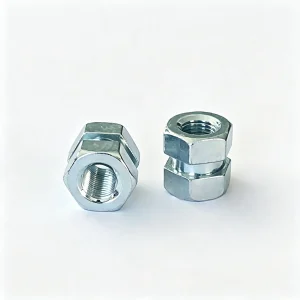
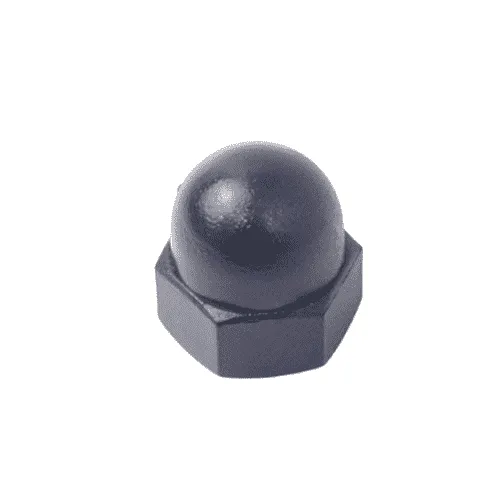
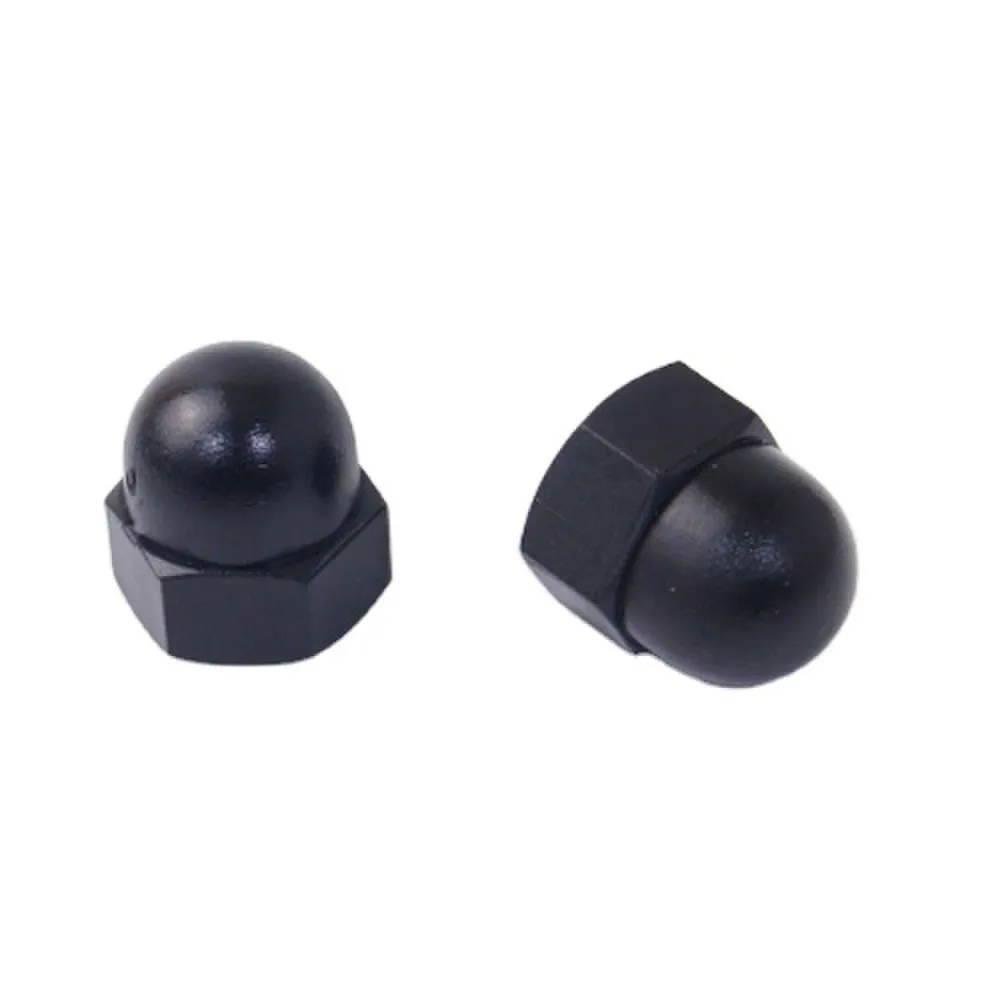
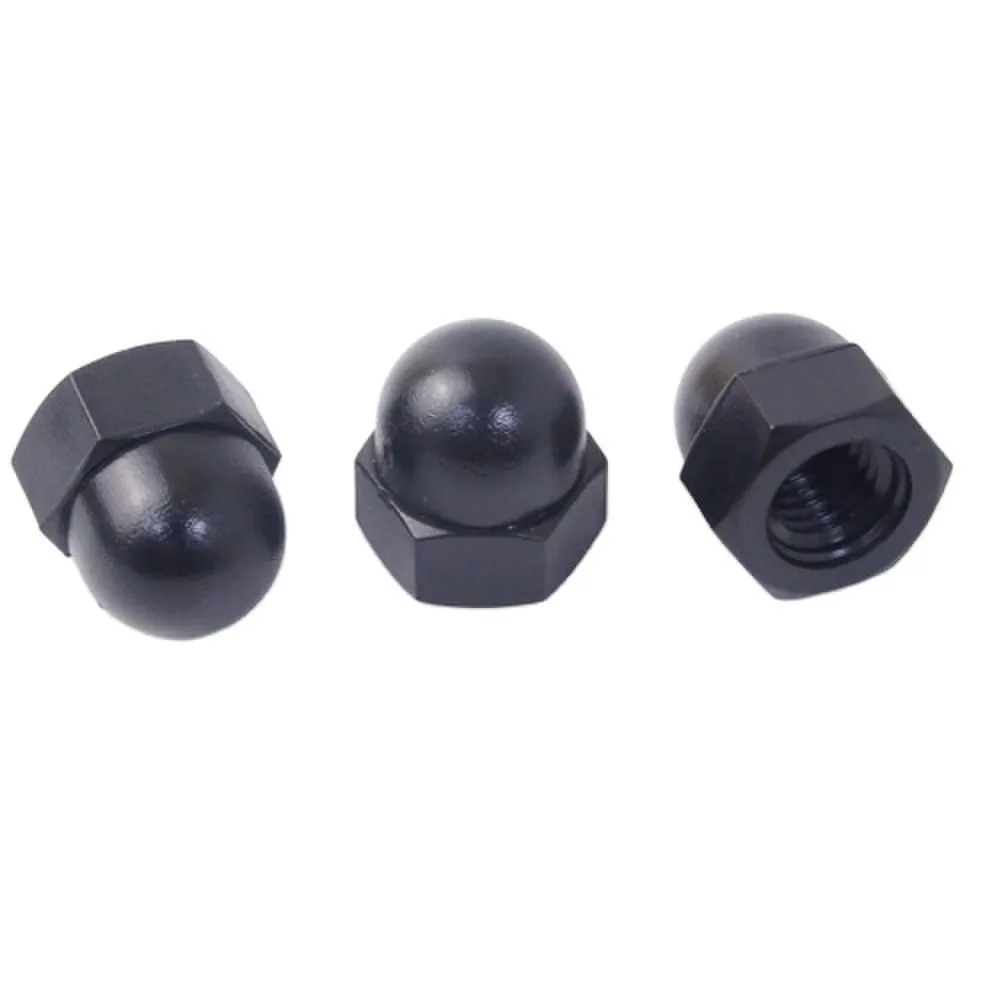
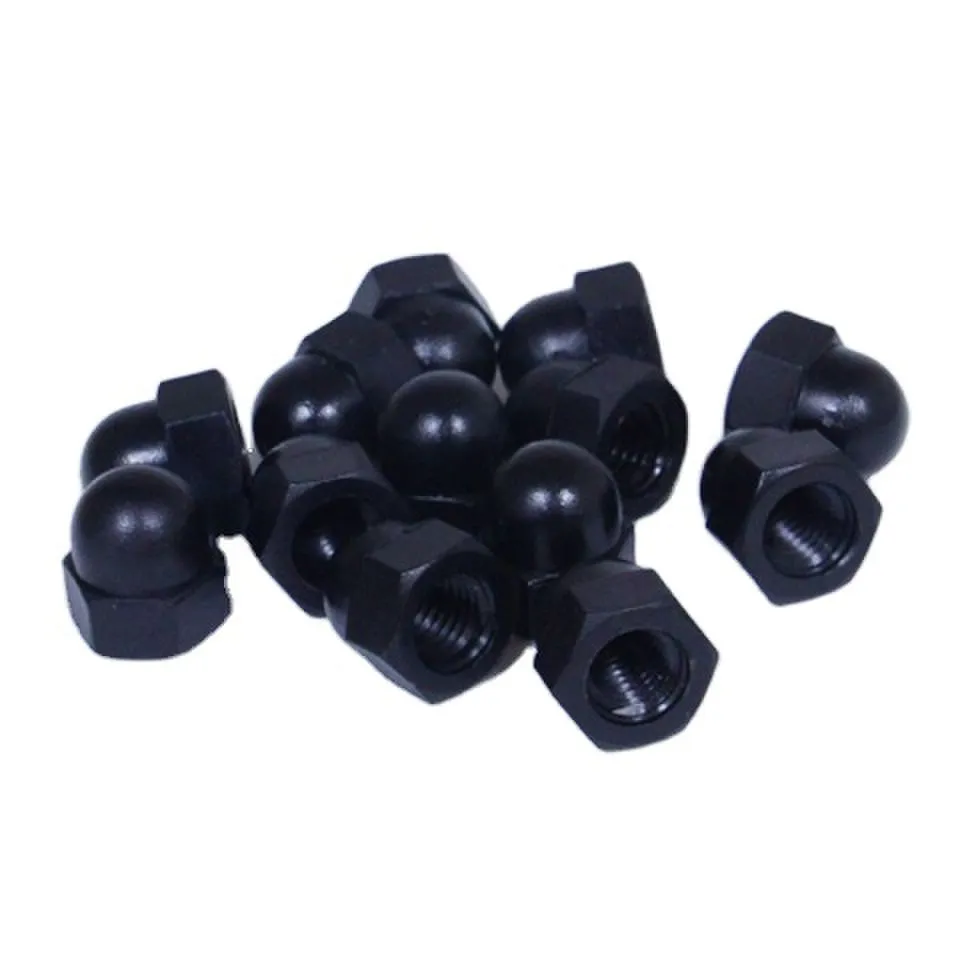
Also known as acorn nuts, dome nuts, hex cap nuts, closed-end nuts, decorative hex nuts or domed threaded fasteners, these components feature a six-sided base with a closed, rounded top designed to cover the exposed end of a compatible bolt, screw or threaded stud.
Cap nuts can be manufactured or supplied according to customer engineering drawings, physical samples, dimensional requirements and material specifications.
Depending on the application, these components may function as protective threaded covers, exposed fastening elements, decorative finishing components or specialized mechanical fasteners within industrial assemblies.
The closed dome can help reduce direct contact with exposed thread ends while providing a more finished appearance than conventional open-ended nuts.
Typical Applications
Cap nuts are commonly considered for:
- Industrial machinery assemblies
- Equipment guards and protective covers
- Exposed threaded fasteners
- Metal fabrication
- Machinery frames
- Equipment mounting brackets
- Automotive components
- Agricultural machinery
- Construction equipment
- Industrial enclosures
- Furniture and metal fittings
- Handrails and railing assemblies
- Decorative mechanical connections
- Fixtures and jigs
- OEM manufacturing
- Industrial maintenance
- Replacement fastening components
- Custom engineering assemblies
Suitability depends on the thread specification, stud length, dome clearance, material grade, fastening loads and operating environment.
Closed Dome Construction
Cap nuts feature a closed, rounded top connected to a hexagonal threaded base.
The dome covers the projecting end of a mating screw, bolt or threaded stud, creating a closed external profile.
Depending on the design, cap nuts may include:
- Rounded dome profiles
- Hexagonal wrenching bases
- Internally threaded bores
- Blind-threaded configurations
- Flat seating faces
- Chamfered hexagonal edges
- Smooth decorative surfaces
- Custom dome heights
- Stepped base profiles
- Custom external dimensions
The required configuration should be established according to the engineering drawing and intended fastening application.
Dome Profile and Thread Coverage
The rounded dome is a distinguishing feature of cap nuts.
It provides an enclosed external surface over the end of the mating threaded component.
Depending on the application, this may help:
- Cover exposed thread ends
- Reduce direct contact with projecting threads
- Improve the appearance of visible fastening points
- Provide a finished external profile
- Reduce snagging against exposed threaded ends
- Protect the covered thread from incidental contact
- Support decorative fastening arrangements
The dome should not automatically be considered a pressure seal, waterproof barrier or certified protective feature.
Where sealing or environmental protection is required, the complete joint should be designed and tested for that purpose.
Hexagonal Base and Wrench Engagement
The hexagonal base provides flat surfaces for engagement with compatible spanners, wrenches or sockets during installation and removal.
Correct external dimensions are important for proper tool engagement without damaging the dome.
Important specifications include:
- Across-flats dimension
- Across-corners dimension
- Hexagonal base height
- Overall nut height
- Dome diameter
- Dome height
- Edge chamfers
- Tool engagement depth
- Available installation clearance
The installation tool should engage the hexagonal base without applying unintended pressure to the rounded dome.
Internal Thread Requirements
The internal thread provides the fastening connection between the cap nut and its mating bolt, screw or threaded stud.
Correct thread engagement is essential for reliable installation and fastening performance.
For drawing review, specify:
- Internal thread diameter
- Thread pitch
- Thread standard
- Right-hand or left-hand thread
- Usable thread depth
- Thread tolerance
- Thread entry chamfer
- Mating bolt or stud dimensions
- Required thread engagement
- Internal clearance requirements
The threaded fastener should engage freely without cross-threading or interference before final tightening.
Stud Length and Internal Dome Clearance
Stud length is a particularly important consideration when selecting cap nuts.
Because the nut incorporates a closed dome, the available internal depth must accommodate the projecting threaded section without preventing the base from seating correctly.
Important considerations include:
- Stud projection length
- Usable internal thread depth
- Internal dome clearance
- Required thread engagement
- Nut overall height
- Seating face position
- Washer thickness, where applicable
- Mating component thickness
- Available installation space
If the stud projects too far, it may contact the inside of the dome before the nut reaches its intended seating surface.
If the stud is too short, the connection may not achieve the required thread engagement.
Both dimensions should be evaluated together during assembly design.
Seating Face and Bearing Surface
The seating face provides contact between the cap nut and the mating component.
Correct seating helps maintain alignment and transfer fastening forces through the intended contact surfaces.
Important requirements include:
- Seating face flatness
- Bearing surface area
- Thread alignment
- Surface finish
- Burr removal
- Washer compatibility
- Contact with the mating component
- Available dome clearance
- Required installed height
Where the mating surface is soft, uneven or sensitive to concentrated contact pressure, an appropriate washer or alternative bearing arrangement may require engineering review.
Exposed Fastening and Decorative Applications
Cap nuts may be selected where the appearance of an exposed threaded connection is important.
Their rounded profile can provide a more finished visual result than conventional open-ended hex nuts.
Potential applications include:
- Visible equipment fasteners
- Machinery covers
- Handrails and metal fittings
- Furniture assemblies
- Decorative metalwork
- Equipment guards
- Industrial display structures
- Custom fabricated components
Where appearance is important, the required surface condition, coating consistency and acceptable cosmetic imperfections should be defined before ordering.
Installation and Removal Considerations
Correct installation requires sufficient access to the hexagonal base and adequate internal clearance for the mating stud.
Important considerations include:
- Installation direction
- Tool approach
- Wrench or socket clearance
- Dome protection
- Thread alignment
- Stud projection
- Internal thread engagement
- Prevention of cross-threading
- Appropriate tightening requirements
- Maintenance and removal access
The cap nut should seat against the intended bearing surface without the mating stud contacting the internal dome.
For assemblies requiring frequent removal, the internal thread and external finish should be inspected for wear or damage.
Material and Surface Finish
Cap nuts can be specified in materials and finishes selected according to the intended mechanical application, appearance requirements and operating environment.
Material selection should consider fastening loads, corrosion exposure, wear resistance and compatibility with mating components.
Depending on customer specifications, requirements may include:
- Carbon steel
- Stainless steel
- Alloy steel
- Brass
- Aluminium
- Customer-specified material grades
- Black oxide finishes
- Black protective coatings
- Zinc plating
- Nickel plating
- Polished finishes
- Corrosion-resistant coatings
- Decorative surface treatments
- Custom surface finishes
A black appearance alone does not establish the material grade, coating type or corrosion resistance.
Where material certification, coating thickness or specific surface properties are required, these details should be included in the purchase specification.
Corrosion and Environmental Considerations
The operating environment should be considered when selecting cap nut materials and finishes.
Important considerations include:
- Moisture exposure
- Outdoor installation
- Chemical exposure
- Cleaning agents
- Contact with dissimilar metals
- Temperature conditions
- Repeated maintenance
- Surface coating durability
The rounded dome should not be relied upon as the sole means of preventing moisture ingress or corrosion within a threaded joint.
Where environmental protection is required, the complete fastening arrangement should be reviewed.
Fastening Performance and Joint Design
The mechanical performance of a cap nut depends on the complete fastening arrangement rather than the dome shape alone.
Important considerations include:
- Internal thread specification
- Material grade
- Usable thread depth
- Mating bolt properties
- Stud projection length
- Seating face geometry
- Applied fastening loads
- Joint stiffness
- Vibration exposure
- Operating environment
- Retention or locking requirements
A cap nut should not automatically be treated as a self-locking fastener.
Where vibration resistance or specific mechanical performance is required, the appropriate locking or retention method should be specified separately.
Inspection and Quality Requirements
Inspection requirements should be established according to the engineering drawing, intended application and agreed acceptance criteria.
Checks may include:
- Internal thread size and pitch
- Usable thread depth
- Across-flats dimension
- Across-corners dimension
- Hexagonal base height
- Overall nut height
- Dome diameter
- Dome height
- Internal dome clearance
- Seating face flatness
- Thread entry condition
- Edge chamfers
- Burr removal
- Surface finish
- Coating condition
- Material specification
- Dome appearance
- Fit with the mating threaded component
Trial assembly should be performed using the intended bolt, screw or stud where compatibility is critical.
The sample should demonstrate correct thread engagement, full seating, adequate internal dome clearance and suitable tool access.
For visible applications, the installed appearance should also be reviewed against the agreed surface finish requirements.
Custom Manufacturing
Alpha Industrial Works can assist with cap nuts produced according to:
- Engineering drawings
- Physical samples
- Dimensional specifications
- OEM requirements
- Replacement-part requirements
- Custom mechanical assembly specifications
Important information for quotation includes:
- Internal thread size and pitch
- Thread standard
- Thread direction
- Usable thread depth
- Across-flats dimension
- Across-corners dimension
- Hexagonal base height
- Overall nut height
- Dome diameter
- Dome height
- Internal dome clearance
- Seating face requirements
- Mating stud projection
- Material grade
- Quantity
- Dimensional tolerances
- Surface finish
- Coating or plating requirements
- Appearance requirements
- Mating bolt or stud details
- Installation method
- Fastening load requirements
- Inspection requirements
- Material certification requirements
- Packaging specifications
Providing complete technical information helps establish manufacturing feasibility, installation compatibility, quotation accuracy and the required acceptance criteria.
Key Features
- Closed rounded dome profile
- Six-sided hexagonal fastening base
- Internally threaded blind-hole design
- Covers compatible exposed threaded ends
- Suitable for visible fastening applications
- Custom dome heights and diameters
- Custom thread sizes and pitches
- Flat seating surface
- Available in specified materials and finishes
- Black and decorative finish options subject to specification
- Suitable for industrial machinery and fabricated assemblies
- Custom manufacturing to drawing or sample
- Suitable for OEM and replacement-part enquiries
- Suitable for prototype and production quantity enquiries
Industries
Potential applications across:
- Mining
- Manufacturing
- Mechanical engineering
- Precision engineering
- Automotive component manufacturing
- Agricultural machinery
- Construction equipment
- Metal fabrication
- Industrial machinery
- Furniture and metal fittings
- Equipment fabrication
- OEM manufacturing
- Maintenance and repair
- General engineering
Request a Quote
Find the right cap nut fastening solution for your mechanical or industrial assembly.
Send Alpha Industrial Works your engineering drawing or physical sample, required quantity, thread specifications, hexagonal base dimensions, dome height, stud projection length, material grade and surface finish requirements for technical review and quotation.
Whether you require domed hex nuts for industrial machinery, black-finished cap nuts for visible equipment fasteners or custom closed-end threaded components for OEM production, Alpha Industrial Works can assist with sourcing or manufacturing solutions based on your specifications.
Product Category
Engineering Components